3 November 2025

Building, News, Newsletter

Rapid Build Showcases the Power of Hemp — Otetto’s Living Canvas Panels Installed in Just 4 Days

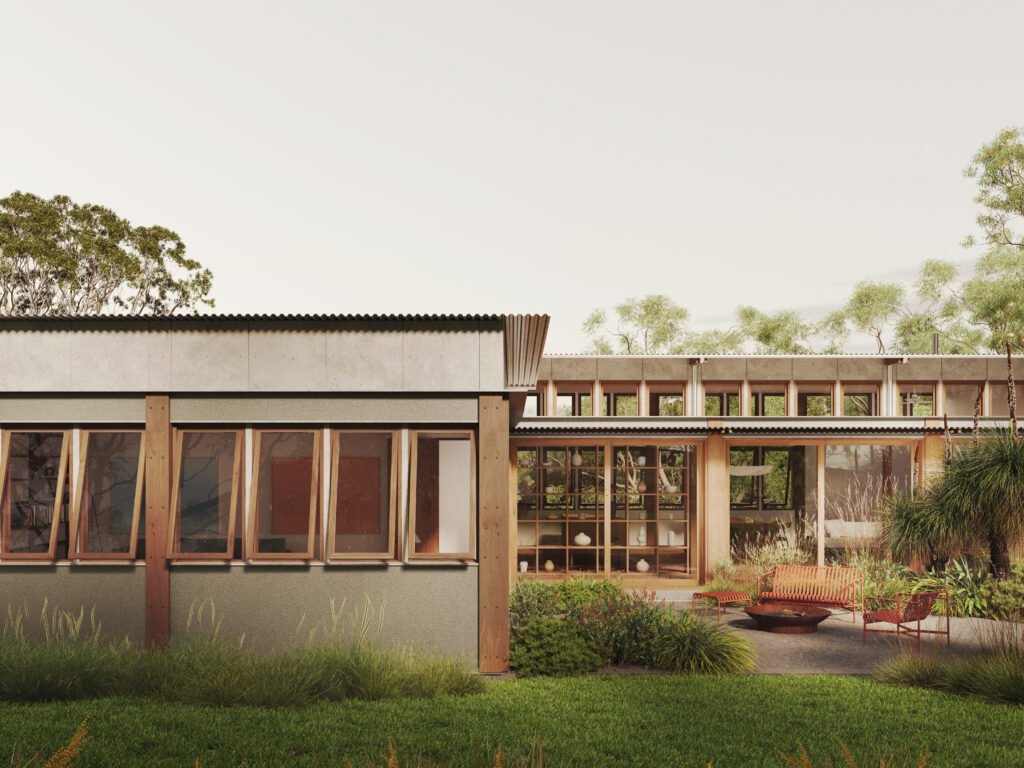
Northern Rivers, NSW — Innovative hemp construction company Otetto has successfully completed the installation of its Living Canvas prefabricated hempcrete panel system on a new home in the Northern Rivers region — with the entire structure assembled in just four days. The project features Otetto’s house design, the Mulloway, currently the company’s most adaptable and flexible model, designed to suit a wide range of sites, climates, and lifestyles. This milestone demonstrates how prefabricated hempcrete systems can dramatically accelerate build times while maintaining outstanding thermal, acoustic, and environmental performance. The Living Canvas panels were designed and manufactured off-site, then craned into place with precision — resulting in a clean, efficient, and low-impact construction process. “This build really shows what’s possible when innovation, sustainability, and good design come together,” said Harrison Marsh from Otetto. “To see a full home structure completed within four days using Australian-grown hemp materials is a big step forward for the industry.” The success of the project highlights the growing momentum behind industrial hemp as a practical, sustainable building material — one that supports regional industries, reduces carbon emissions, and promotes healthier living environments. For more information about Otetto’s Living Canvas system and the Mulloway design, visit otetto.au

Building, Education, News, Newsletter, Research

Exploring the Future of Timber at Parliament House

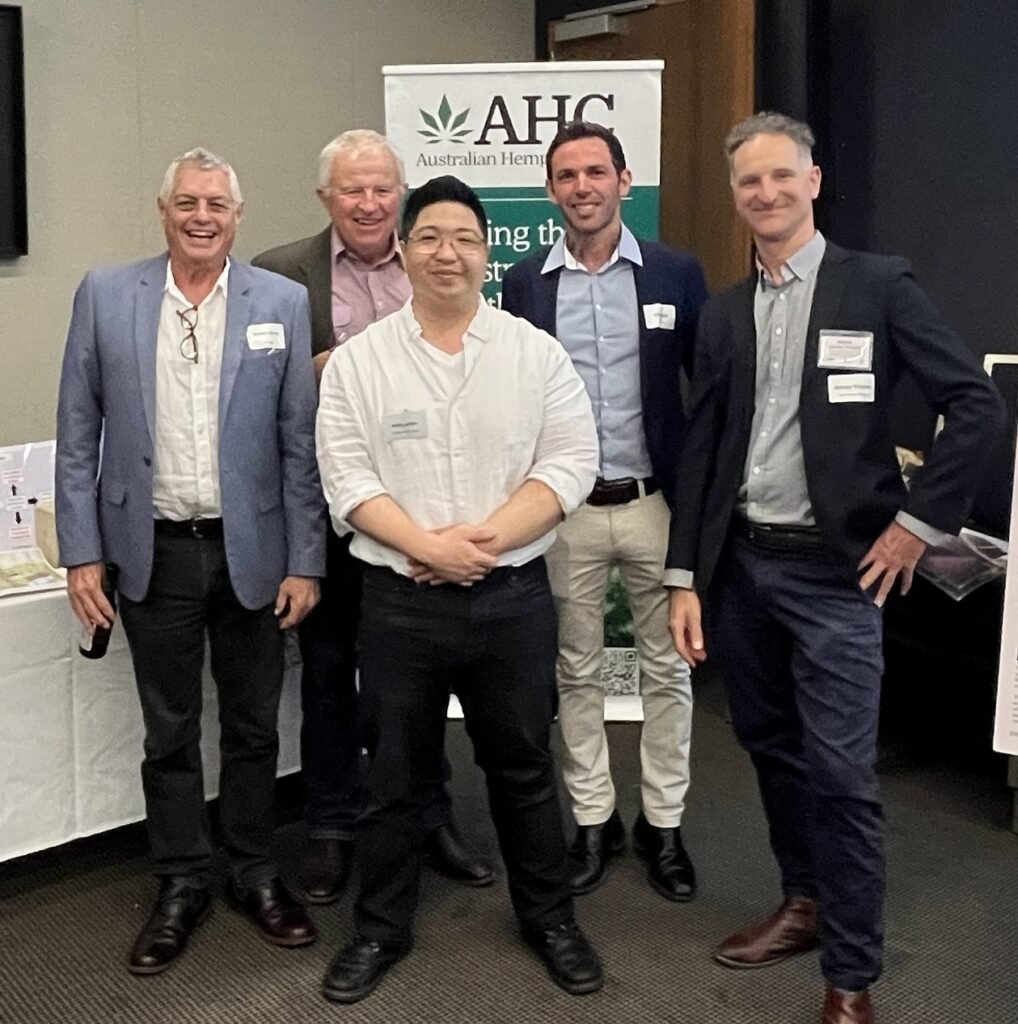
By Harrison Marsh | Otetto Mid-October, we were proud to attend the Sustainable Timber Solutions Parliamentary Showcase at Parliament House, hosted by the Parliamentary Friends of Forests, Forest Alliance NSW, and WWF-Australia. The evening brought together leaders from across the timber, construction, and sustainable materials industries to explore viable alternatives to native forest logging — a practice increasingly under scrutiny for its environmental and social impacts. It was a strong turnout, with industry professionals, policymakers, and innovators all engaging in meaningful discussions about the next chapter of timber in Australia. Opening remarks from Dermot O’Gorman, CEO of WWF-Australia, and Justin Field from Forest Alliance NSW set the tone for the night — highlighting the urgent need to protect our remaining native forests and accelerate the shift toward sustainable, regenerative materials. Displays from House of Bamboo, Hemp Inside, Bamboo Society Australia, Australian Hemp Council, iHempNSW, and BVN Architecture showcased how materials like hemp, bamboo, and engineered wood products are already reshaping what’s possible in the built environment. For us at Otetto, it was an excellent opportunity to connect with like-minded innovators and explore how these materials can work together to fill the gaps. Finding Balance, Not Replacements While hemp and bamboo offer impressive performance and sustainability credentials, they are not a like-for-like replacement for hardwoods — either in performance or aesthetics. Trying to directly replace native timber with these materials is a bit like trying to make vegetarian food look and taste exactly like meat. Each has its own unique strengths and characteristics, and part of the challenge is learning how to design and build in a way that embraces those differences rather than mimicking the past. Supporting Industry Transition Another key takeaway from the event was the recognition that the transition away from native forest logging is not just an environmental issue — it’s also a people issue. The emerging hemp and bamboo industries can play a vital role in providing new opportunities for workers and regional communities historically tied to forestry. These new industries can offer sustainable, locally grown alternatives while supporting a fair and considered transition for those affected by industry change. The Importance of Responsible Land Management If a ban on native forest logging goes ahead, it’s essential that the land is managed correctly. Protecting forests is only part of the equation — how that land is maintained will determine the long-term success of the policy. Poor management practices, particularly around fire mitigation, have historically caused more damage to native habitats than sustainable, selective forestry operations. As highlighted by many within the agricultural and environmental sectors, including land managers with decades of experience, government agencies have often struggled to properly maintain the land they already oversee. Without proactive management, the risk of catastrophic fire events increases — ultimately threatening the very ecosystems these policies are designed to protect. At Otetto, we recognise this is a complex and sensitive space. Sustainable forestry and conservation can coexist if managed correctly. Regeneration, selective harvesting, and habitat corridor planting can all form part of a balanced approach that supports both environmental and economic outcomes. It’s not about one side being right and the other wrong — it’s about finding common ground where biodiversity is protected, and communities and industries can continue to thrive sustainably. Education and Collaboration As these sectors continue to grow, education will be critical. Suppliers, specifiers, builders, and end users all need better access to knowledge and training on how to implement these materials effectively. Understanding how to design, engineer, and build with hemp and bamboo will be key to ensuring they take root in the mainstream construction landscape. The event also saw encouraging interest from attending politicians, signalling growing recognition at the policy level of the potential these materials hold. This kind of support will be essential to helping the industry mature and scale responsibly. Looking Ahead The realities of native forest logging — as highlighted in recent reports by WWF-Australia — show why finding alternatives is so important. But as we saw at Parliament House, the solutions are already taking shape. With collaboration, education, and open-minded design thinking, we can move toward a future where sustainable materials like hemp and bamboo play a major role in Australia’s construction story. At Otetto, we’re proud to be part of that conversation and look forward to continuing to work with partners across the industry to build better, cleaner, and smarter. Photos courtesy of Jeremy Thomas (Hemp Building Directory) and Colin Steddy (Hemp Inside).

Education, News, Newsletter, Research

Hemp Taskforce Recommendations Overlooked in DPI Updates

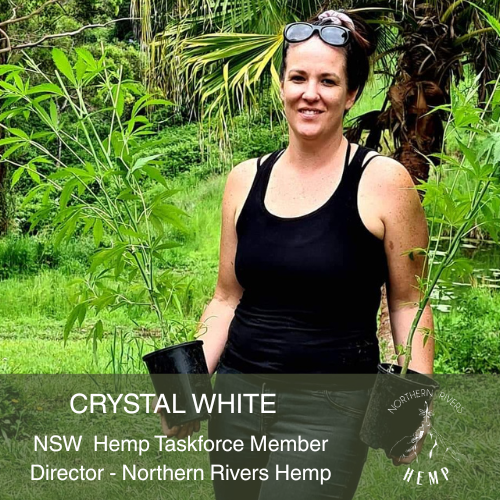
The NSW Hemp Industry Taskforce’s 2024 recommendations aimed to modernise and strengthen the state’s hemp sector by promoting innovation, flexibility, and clearer regulation for growers. However, after reviewing the Department of Primary Industries’ (DPI) updated hemp framework and Licence Manual released in September 2025, Taskforce member Crystal White, Director of Northern Rivers Hemp, found that many of these key recommendations have not been implemented. While the Taskforce proposed a more enabling and forward-thinking approach, the new framework continues to focus largely on compliance and enforcement. A clear example is the missed opportunity to introduce a licence category for environmental remediation.  This reform would have recognised hemp’s ability to improve soil health, capture carbon, and support sustainable land rehabilitation. Despite its environmental and economic potential, the initiative was not included in the new framework. Crystal has since contacted Jeremy Buckingham MLC, who has shown ongoing support for hemp industry reform, and expects he will raise the matter with Minister for Agriculture Tara Moriarty for further consideration. The comparison report shows that many of the Taskforce’s practical, industry-driven reforms- such as flexibility for crop testing, streamlined licensing, and recognition of new hemp applications—remain unaddressed. “A more collaborative and forward-thinking approach is needed if we want to see the NSW hemp industry reach its full potential,” Crystal said.

News, Newsletter

Industry Response to the Senate Inquiry

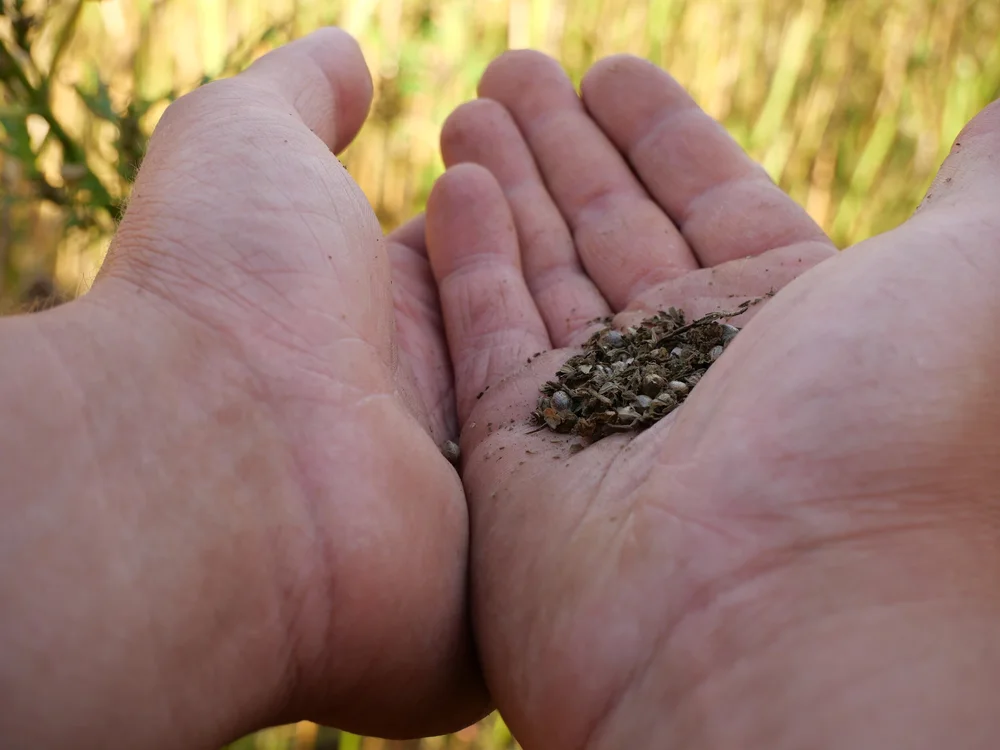
Industry Response to the Senate Inquiry: Opportunities for the Development of an Industrial Hemp Industry in Australia The response to Senator Richard Colbeck’s call for submissions to the Senate Standing Committees on Rural and Regional Affairs and Transport’s inquiry into the Opportunities for the Development of an Industrial Hemp Industry in Australia was both strong and diverse, with 64 submissions received from across the nation. Submissions came from farmers, processors, researchers, builders, health and wellness product manufacturers, advocacy groups, and government agencies, reflecting the depth and breadth of interest in unlocking hemp’s full potential for Australia. A number of consistent themes emerged across the submissions. Agronomic advantages Many highlighted the agronomic advantages of hemp as a sustainable, low-input crop that fits well into regenerative farming systems, supporting soil health, carbon sequestration, and water efficiency. There was a strong emphasis on regional economic development, with hemp positioned as a diversification opportunity for farmers and a driver of new jobs in processing and manufacturing. Regulatory reform Stakeholders also focused on the urgent need for regulatory reform, calling for the removal of industrial hemp from drug-related legislation and for national harmonisation of licensing, THC thresholds, and compliance systems. The inquiry revealed that fragmented regulations are among the largest barriers to growth, limiting investment and cross-border trade. Value-added manufacturing  Submissions underscored the growing potential for value-added manufacturing, particularly in hemp-based building materials, textiles, bioplastics, food, and wellness products. The construction and materials sector featured prominently, with strong calls to fast-track building code recognition for hempcrete and fibre board, and to align with international standards to enable rapid scaling. Research and development investment A further theme was the need for increased research and development investment, particularly in seed genetics, agronomy, processing technology, and product innovation. Stakeholders called for coordinated national leadership and industry collaboration to link research institutions, growers, and manufacturers. In summary Overall, the submissions presented a unified message: industrial hemp represents a significant economic, environmental, and social opportunity for Australia, but its success depends on policy alignment, investment in infrastructure, and continued cross-sector collaboration. The level of engagement in this inquiry highlights a maturing, motivated, and solutions-focused industry ready to contribute to Australia’s low-carbon, circular, and regionally based future.

Scroll to Top