Education

Training providers, educators, and programs supporting skills development and industry knowledge in hemp.

Building, Education, News, Newsletter

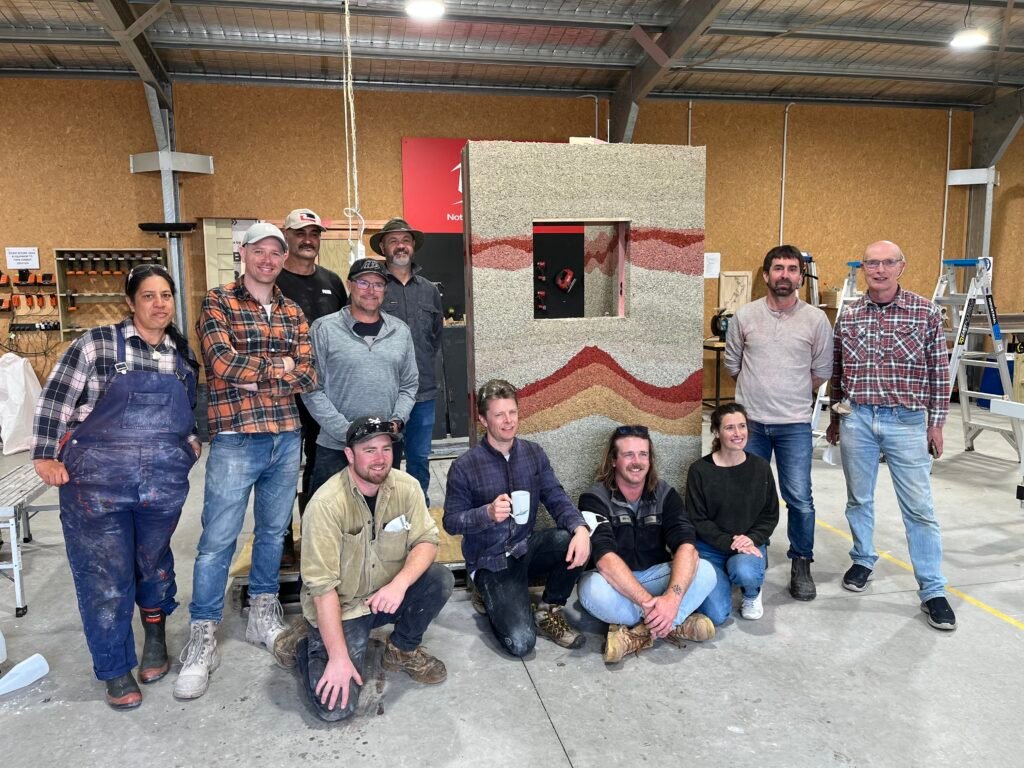
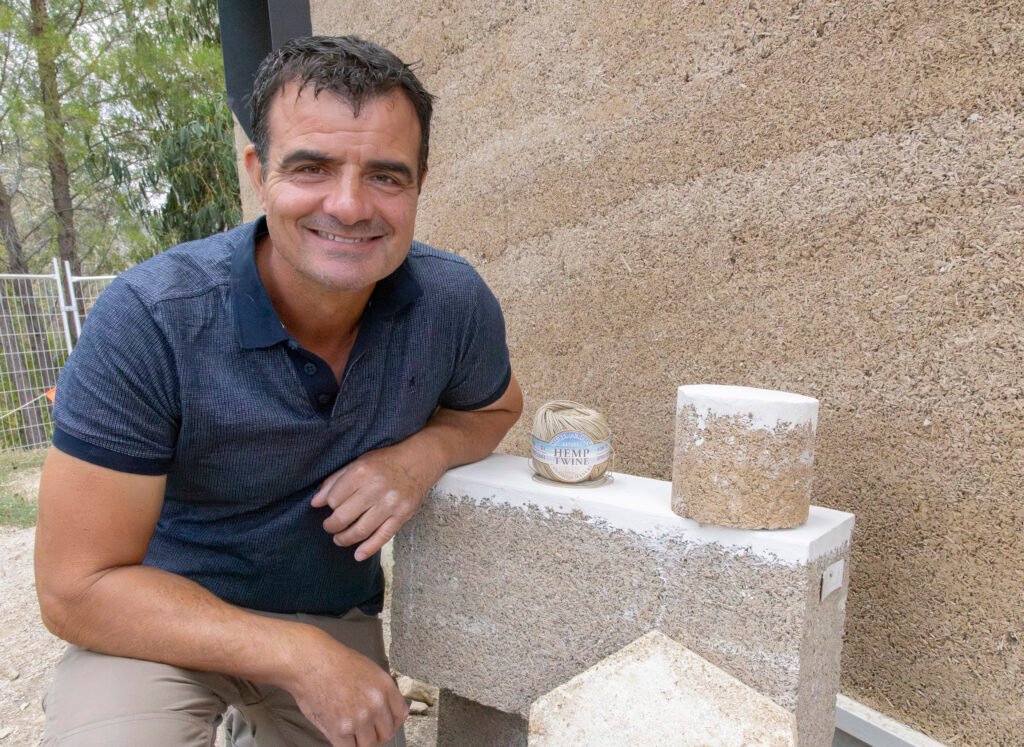
Building with Hemp, Building Community: New Zealand Workshops Strengthen Local Skills

By Klara Marosszeky | Managing Director Australian Hemp Masonry Company Over the past few months, we’ve been working with Hemp Central in Wanaka on the South Island of New Zealand and Venture Taranaki on the North Island to deliver training for hemp builders, owner builders and community. It’s the second practical workshop organised by Tanya Simmonds in Wanaka in the past 2 years and the Taranaki workshops have been the culmination of months of conversations following various Hemp industry events in Australia over the last year and a half. We’d trained a few builders from New Zealand who’ve come over to Australia for workshops and supplied a few houses over there in the past, but at that time there was no suitable building-grade hurd available in New Zealand. That’s changed dramatically over the past few years. With farming becoming more regionalised, Ashford processors now in both locations and with more builders getting trained, a small solid hemp building industry is being established. Given our long-term interest in supporting capability in Indigenous communities, it’s been very rewarding to work alongside Venture Taranaki as they build the capacity in their community to address their social housing needs. Community members from other neighbouring Maori groups visited and attended the Taranaki workshops. We’ll continue to support their emerging trainers until they are well underway, and our input is no longer needed. “We have the same interest in building capability in Aboriginal communities and hope some similar opportunities emerge,” says Klara.

Building, Education, News, Newsletter, Research

Exploring the Future of Timber at Parliament House

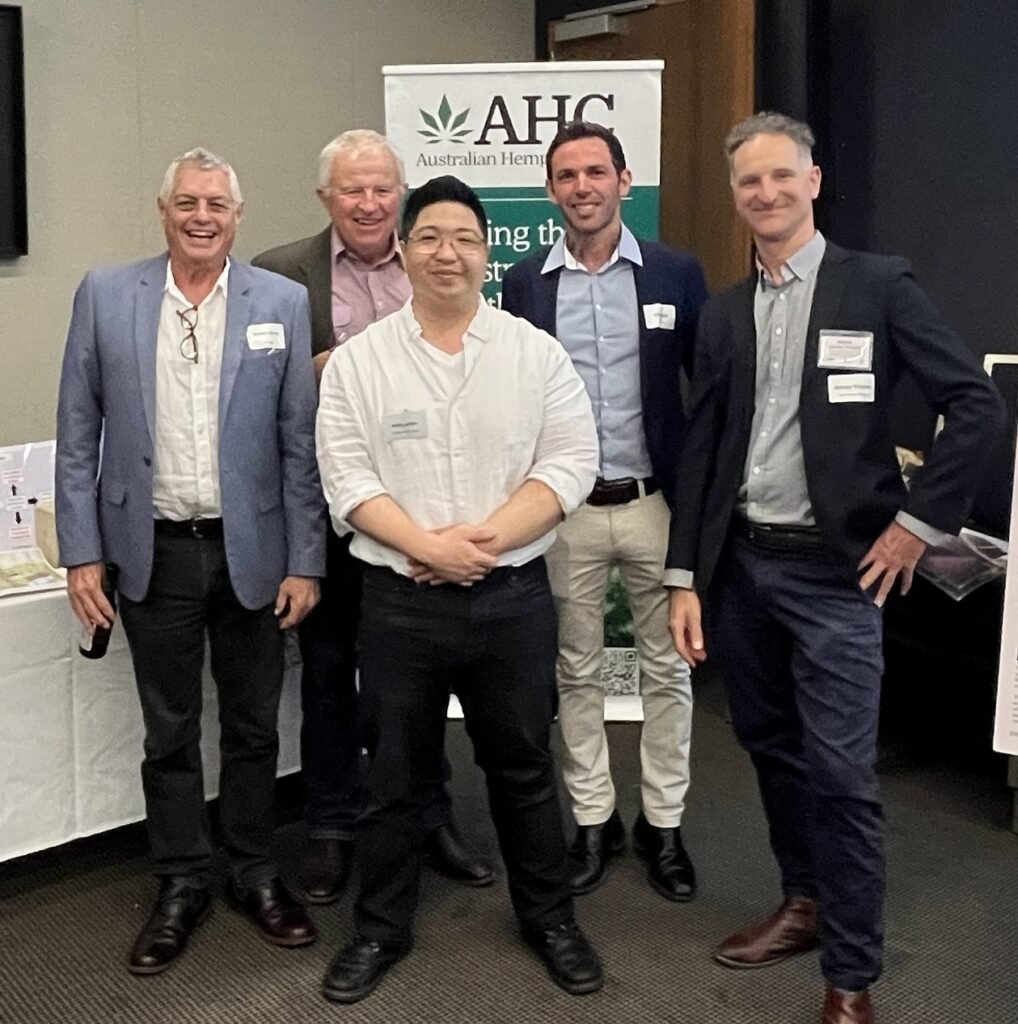
By Harrison Marsh | Otetto Mid-October, we were proud to attend the Sustainable Timber Solutions Parliamentary Showcase at Parliament House, hosted by the Parliamentary Friends of Forests, Forest Alliance NSW, and WWF-Australia. The evening brought together leaders from across the timber, construction, and sustainable materials industries to explore viable alternatives to native forest logging — a practice increasingly under scrutiny for its environmental and social impacts. It was a strong turnout, with industry professionals, policymakers, and innovators all engaging in meaningful discussions about the next chapter of timber in Australia. Opening remarks from Dermot O’Gorman, CEO of WWF-Australia, and Justin Field from Forest Alliance NSW set the tone for the night — highlighting the urgent need to protect our remaining native forests and accelerate the shift toward sustainable, regenerative materials. Displays from House of Bamboo, Hemp Inside, Bamboo Society Australia, Australian Hemp Council, iHempNSW, and BVN Architecture showcased how materials like hemp, bamboo, and engineered wood products are already reshaping what’s possible in the built environment. For us at Otetto, it was an excellent opportunity to connect with like-minded innovators and explore how these materials can work together to fill the gaps. Finding Balance, Not Replacements While hemp and bamboo offer impressive performance and sustainability credentials, they are not a like-for-like replacement for hardwoods — either in performance or aesthetics. Trying to directly replace native timber with these materials is a bit like trying to make vegetarian food look and taste exactly like meat. Each has its own unique strengths and characteristics, and part of the challenge is learning how to design and build in a way that embraces those differences rather than mimicking the past. Supporting Industry Transition Another key takeaway from the event was the recognition that the transition away from native forest logging is not just an environmental issue — it’s also a people issue. The emerging hemp and bamboo industries can play a vital role in providing new opportunities for workers and regional communities historically tied to forestry. These new industries can offer sustainable, locally grown alternatives while supporting a fair and considered transition for those affected by industry change. The Importance of Responsible Land Management If a ban on native forest logging goes ahead, it’s essential that the land is managed correctly. Protecting forests is only part of the equation — how that land is maintained will determine the long-term success of the policy. Poor management practices, particularly around fire mitigation, have historically caused more damage to native habitats than sustainable, selective forestry operations. As highlighted by many within the agricultural and environmental sectors, including land managers with decades of experience, government agencies have often struggled to properly maintain the land they already oversee. Without proactive management, the risk of catastrophic fire events increases — ultimately threatening the very ecosystems these policies are designed to protect. At Otetto, we recognise this is a complex and sensitive space. Sustainable forestry and conservation can coexist if managed correctly. Regeneration, selective harvesting, and habitat corridor planting can all form part of a balanced approach that supports both environmental and economic outcomes. It’s not about one side being right and the other wrong — it’s about finding common ground where biodiversity is protected, and communities and industries can continue to thrive sustainably. Education and Collaboration As these sectors continue to grow, education will be critical. Suppliers, specifiers, builders, and end users all need better access to knowledge and training on how to implement these materials effectively. Understanding how to design, engineer, and build with hemp and bamboo will be key to ensuring they take root in the mainstream construction landscape. The event also saw encouraging interest from attending politicians, signalling growing recognition at the policy level of the potential these materials hold. This kind of support will be essential to helping the industry mature and scale responsibly. Looking Ahead The realities of native forest logging — as highlighted in recent reports by WWF-Australia — show why finding alternatives is so important. But as we saw at Parliament House, the solutions are already taking shape. With collaboration, education, and open-minded design thinking, we can move toward a future where sustainable materials like hemp and bamboo play a major role in Australia’s construction story. At Otetto, we’re proud to be part of that conversation and look forward to continuing to work with partners across the industry to build better, cleaner, and smarter. Photos courtesy of Jeremy Thomas (Hemp Building Directory) and Colin Steddy (Hemp Inside).

News, Education, Newsletter, Research

Hemp Taskforce Recommendations Overlooked in DPI Updates

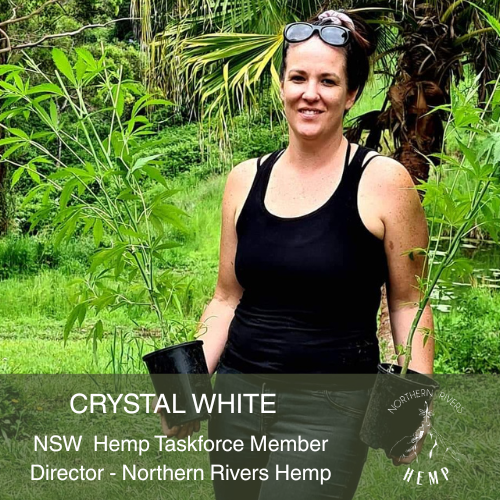
The NSW Hemp Industry Taskforce’s 2024 recommendations aimed to modernise and strengthen the state’s hemp sector by promoting innovation, flexibility, and clearer regulation for growers. However, after reviewing the Department of Primary Industries’ (DPI) updated hemp framework and Licence Manual released in September 2025, Taskforce member Crystal White, Director of Northern Rivers Hemp, found that many of these key recommendations have not been implemented. While the Taskforce proposed a more enabling and forward-thinking approach, the new framework continues to focus largely on compliance and enforcement. A clear example is the missed opportunity to introduce a licence category for environmental remediation.  This reform would have recognised hemp’s ability to improve soil health, capture carbon, and support sustainable land rehabilitation. Despite its environmental and economic potential, the initiative was not included in the new framework. Crystal has since contacted Jeremy Buckingham MLC, who has shown ongoing support for hemp industry reform, and expects he will raise the matter with Minister for Agriculture Tara Moriarty for further consideration. The comparison report shows that many of the Taskforce’s practical, industry-driven reforms- such as flexibility for crop testing, streamlined licensing, and recognition of new hemp applications—remain unaddressed. “A more collaborative and forward-thinking approach is needed if we want to see the NSW hemp industry reach its full potential,” Crystal said.

News, Building, Clothing, Education, Food Products, Growers, Manufacturers, Newsletter, Pet, Wellness

Industry Response to the Senate Inquiry

Industry Response to the Senate Inquiry: Opportunities for the Development of an Industrial Hemp Industry in Australia The response to Senator Richard Colbeck’s call for submissions to the Senate Standing Committees on Rural and Regional Affairs and Transport’s inquiry into the Opportunities for the Development of an Industrial Hemp Industry in Australia was both strong and diverse, with 64 submissions received from across the nation. Submissions came from farmers, processors, researchers, builders, health and wellness product manufacturers, advocacy groups, and government agencies, reflecting the depth and breadth of interest in unlocking hemp’s full potential for Australia. A number of consistent themes emerged across the submissions. Agronomic advantages Many highlighted the agronomic advantages of hemp as a sustainable, low-input crop that fits well into regenerative farming systems, supporting soil health, carbon sequestration, and water efficiency. There was a strong emphasis on regional economic development, with hemp positioned as a diversification opportunity for farmers and a driver of new jobs in processing and manufacturing. Regulatory reform Stakeholders also focused on the urgent need for regulatory reform, calling for the removal of industrial hemp from drug-related legislation and for national harmonisation of licensing, THC thresholds, and compliance systems. The inquiry revealed that fragmented regulations are among the largest barriers to growth, limiting investment and cross-border trade. Value-added manufacturing  Submissions underscored the growing potential for value-added manufacturing, particularly in hemp-based building materials, textiles, bioplastics, food, and wellness products. The construction and materials sector featured prominently, with strong calls to fast-track building code recognition for hempcrete and fibre board, and to align with international standards to enable rapid scaling. Research and development investment A further theme was the need for increased research and development investment, particularly in seed genetics, agronomy, processing technology, and product innovation. Stakeholders called for coordinated national leadership and industry collaboration to link research institutions, growers, and manufacturers. In summary Overall, the submissions presented a unified message: industrial hemp represents a significant economic, environmental, and social opportunity for Australia, but its success depends on policy alignment, investment in infrastructure, and continued cross-sector collaboration. The level of engagement in this inquiry highlights a maturing, motivated, and solutions-focused industry ready to contribute to Australia’s low-carbon, circular, and regionally based future.

Building, Education, Growers, Manufacturers, News, Newsletter, Rural Supplies

Hemp & the power of perseverance

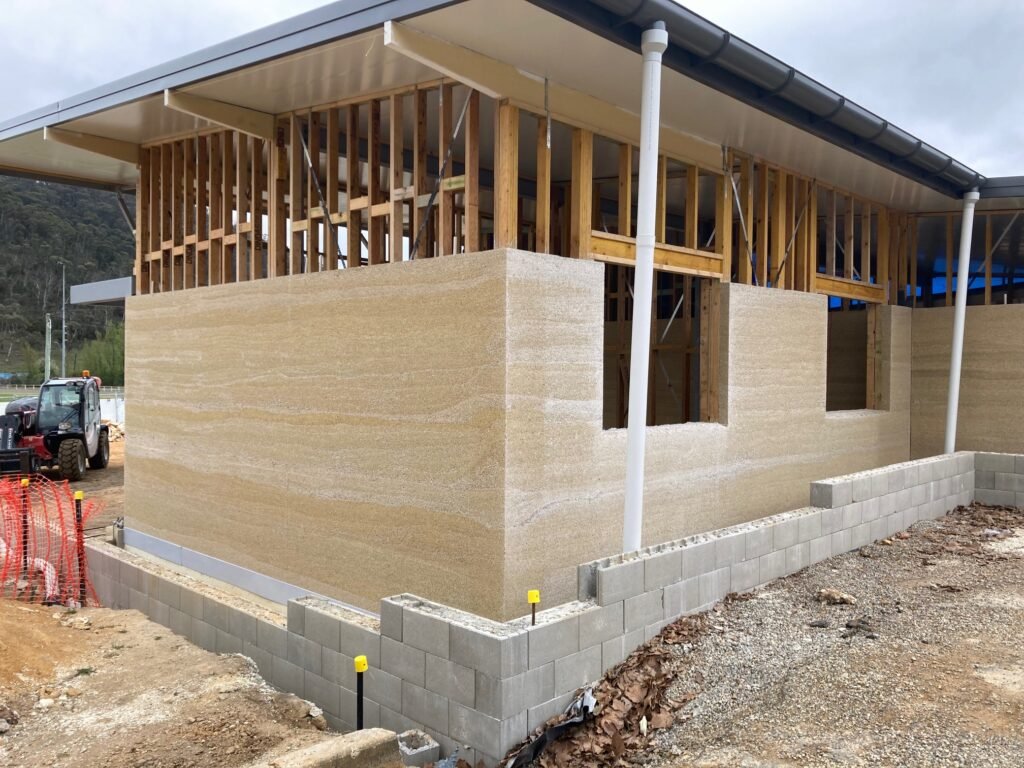
Written by Connie Minos | August 2025 EO, iHemp NSW | Director, Ashford Hemp Industries The picture (left) may resonate with many of our readers who have experienced drought and hardship on the land.  In 2020, Lonnie and I went to the aid of a farmer friend who needed cattle put down due to ongoing drought.  It was a traumatic time.  On one of our heart wrenching visits, two of the cows unable to stand, showed signs of being close to calving.  After euthanising the cows, Lonnie quickly proceeded to remove the unborn calves.  One of the two calves born on the side of a dry dam next to her deceased mother, survived.  With low expectations after such a difficult welcome to life we took the calf home.  It wasn’t smooth sailing but after 8 months we ended up relocating the calf (Marmalade) to my brothers’ cattle farm near Yetman as her size and zest for life were becoming a bit much for me to manage as her surrogate mother.  My daughter Olivia and I just visited my brother and we checked on Marmalade and her third calf, both in pristine condition. Olivia is 19 now.  She was 15 when Marmalade was born.  She was two when Lonnie and I first entered the hemp industry in 2008.  Seventeen years ago. Marmalade is a reminder to me that even in the toughest of situations good things do happen, and it is worth persevering.  This has certainly been our experience in the Australian hemp industry.  Disappointingly Lonnie and I were unable to attend the Hemp Connect Forum in June.  It’s always a wonderful opportunity to engage with others passionate about hemp, whether we’ve known them for years or we become newly acquainted.  Thankfully we were able to watch the presentations online and I encourage others who were unable to attend the conference to review them.  For those who aren’t familiar with our business, our hemp processor is located in northwest NSW, close to the QLD border. The ingenious, beautiful, award-winning design of the University of Tasmanian Forestry and Timberyards redevelopment is inspirational to all, and we feel a strong sense of pride in knowing the hurd produced for that build came from a hemp processing machine we built and supplied to X-Hemp. The beautiful images and positive comments received from builders and homeowners after supplying over fifty homes and buildings throughout NSW and beyond encourage our continued perseverance in supplying the hemp building industry.  The regular and diverse range of alternative product options for bast, fines and hurd, who we send samples, give us hope for the future of the wider hemp industry. A small number of business owners within NSW and Australia continue to promote products from overseas while declaring their interest in promoting the Australian hemp industry.  Frustration from this fact is counteracted by the increasing engagement and action taken by the private sector and the government in the Australian Hemp Industry. As a member of iHemp NSW and the Australian Hemp Fibre Processing group, and as a small business in NSW, we have every intention of being in this industry for years to come.

Easter Show Stand
News, Building, Clothing, Education, Past Events, Rural Supplies

Success with Hemp at the 2025 Sydney Royal Easter Show

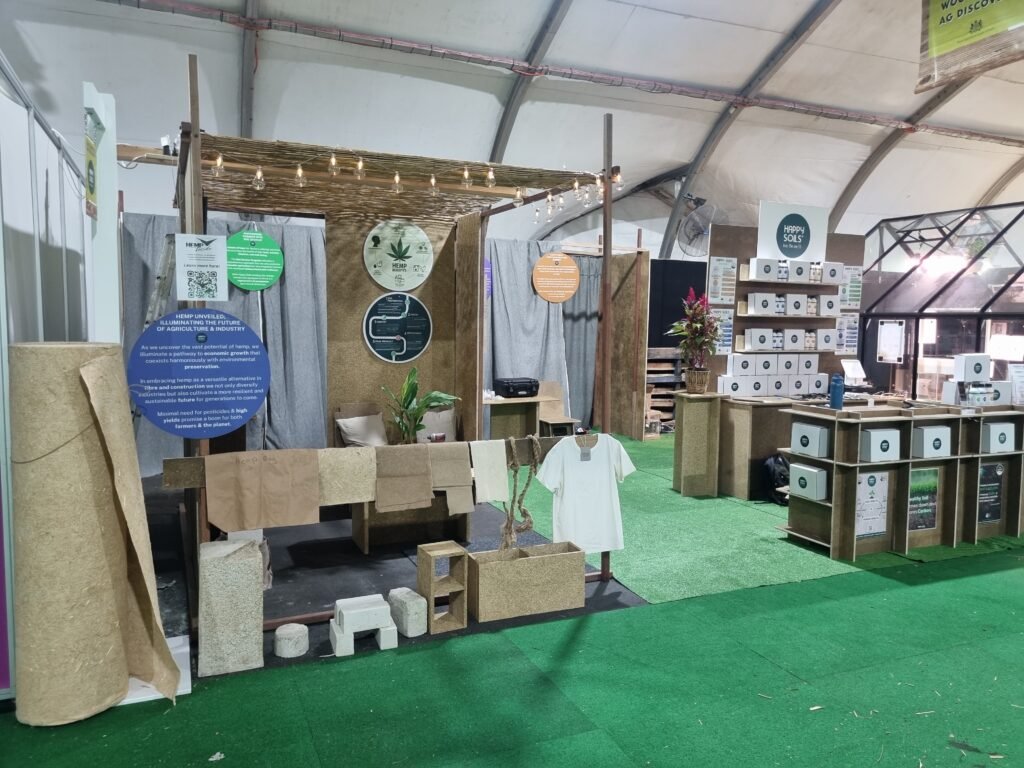
By Colin Steddy, Hemp Inside This year, I had the great privilege of joining Happy Soils (Andrew Meseha), Hexcore, and Why Not Consulting at the Sydney Royal Easter Show, thanks to an invitation from Duncan Kendall and the team at the Woolworths Discovery Centre. We bumped in on April 9, ready for gates to open on the 10th, and the energy was electric from day one — in fact, it was the biggest opening-day crowd in the show’s history. The Discovery Dome display stood out for all the right reasons. The entire fit-out — walls, tables, chairs, and cabinets — was crafted from ply board and furniture made by Hexcore using hemp materials. Hemp Gallery supplied beautiful hemp-made items, and I brought along hempcrete bricks, weed matting, samples of hurd and fibre, and hemp seed oil for sale. It was an honour to represent Hemp Inside and the broader Australian hemp industry. Public interest in hemp was strong and genuine. People came eager to share what they knew and to learn more — from curious newcomers to returning visitors tracking industry progress. Many asked, “Can I grow hemp on my land?” My answer was consistent: “We need to develop more markets and attract more investment to grow demand. Once that happens, we’ll be looking for more growers.” Andrew, Anastasia, their baby, and I were there every day — and yes, standing and talking non-stop for nearly two weeks was exhausting! But the support we received made it worthwhile. Visitors were enthusiastic, firemen stopped to see our display (including a video of the Hexcore house being tested in fire conditions), and Happy Soils customers shared encouraging results and plans to expand their use of the products. Media coverage? Disappointingly, not a single photo. But meaningful conversations made up for it — including promising follow-ups and exciting developments in the pipeline for Hexcore. I also had a valuable hour-long call with the NSW Department of Primary Industries, where I shared views on key obstacles holding back the industry: We must collaborate to build a strong, sustainable industry. The shift from the Office of Drug Control to the Department of Agriculture would unlock growth. It would create the policy certainty needed to attract serious investment. Right now, the perception that regulations could change overnight by the narcotics division scares off potential backers. Encouragingly, DPI is calling for industry submissions to help shape a stronger future. I urge everyone to contribute. One of the best compliments came from other exhibitors, who said the energy from our display was inspiring. Andrew’s love of music and fun made for a lively space — we even had a few dance moments with the crowd. The positivity was contagious. We bumped out on April 23 — a long stint on our feet, but a truly worthwhile experience. Big thanks to the Royal Agricultural Society, Duncan Kendall and his team, and our amazing crew: Andrew, Anastasia, Why Not Consulting, and Happy Soils. Let’s keep pushing forward. Cheers,Colin SteddyHemp Inside     Hemp at the 2025 Sydney Royal Easter Show Gallery

News, Building, Education, Growers, Manufacturers, Processors

An Industrial Hemp Hub for NSW Central West

YOUR INVITED TO A Meeting to discuss the formation of an Industrial Hemp Hub for the NSW Central West  When: Friday 22 November (11:00am and finish around 3:00pm) Where: WSU Transition Hub (corner of Mort & Bridge Streets, Lithgow) What: a two-part meeting to discuss:  what an Industrial Hemp Hub is and would do in the region (11:00-12:30pm)  an overview and feedback on known opportunities and interests in the Lithgow and Central Western Region (1:30-3:00pm).As part of the workshop, participants will visit the Lithgow Women’s Shed, a beautiful hempcrete build in progress. Background Who suggested this meeting? John Muir is working with Ken Dodds as part of a new CRC-P (Cooperative Research Centre) funded by the Federal Government and REVOX (a private company with links to Melbourne University). They are looking at recycling materials to mix with hemp and identify ‘hubs’ within regional rural communities with enough like-minded individuals, who would be willing to share resources and experience to create working supply chains that grow and supply a range of industrial hemp products. Why Lithgow? Lithgow is now home to one of the larger public buildings constructed with hempcrete. It’s s a region where local government is highly focused on regional development (including agriculture) as the area transitions away from coal. This makes it potentially eligible for transition funding once the State Government releases its program of Transition Authorities for regions like ours. Lithgow Transition Hub (Western Sydney University) A series of workshops will be hosted in Lithgow in February as part of an academic research program aimed at generated a ‘social-license’ for growing and manufacturing products from industrial hemp. That program will be led by Prof Neil Perry (WSU) with Prof Louise Crabtree (WSU), Dr Stephen Heally (WSU) and Dr Michelle Zeibots (UTS). This November meeting is being approached as an opportunity to scope the content, structure and discussion points for the more detailed workshops in February. If you would like to attend, please contact: Dr Michelle Zeibots MPIA CILT Senior Lecturer (Transport) School of Civil & Environmental Engineering Faculty of Engineering & Information Technology University of Technology Sydney M. 0408 437 687 PO Box 123 Broadway NSW 2007 Australia

Three men standing
Education, Manufacturers, News, Newsletter, Processors

My Amazing Visit to China – By Colin Steddy

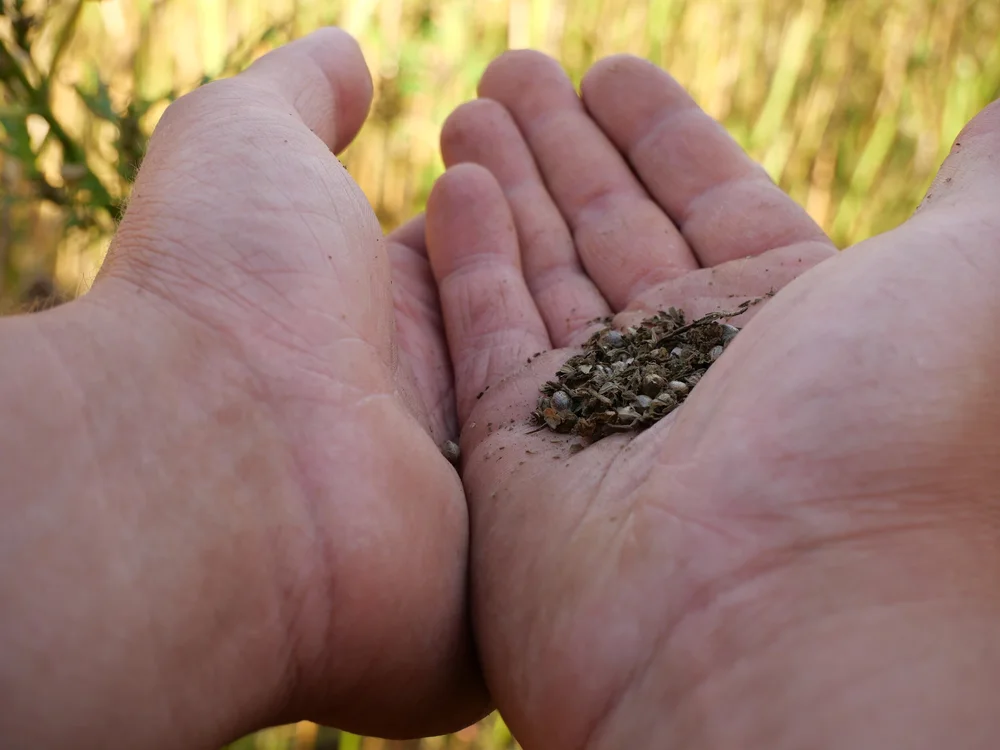
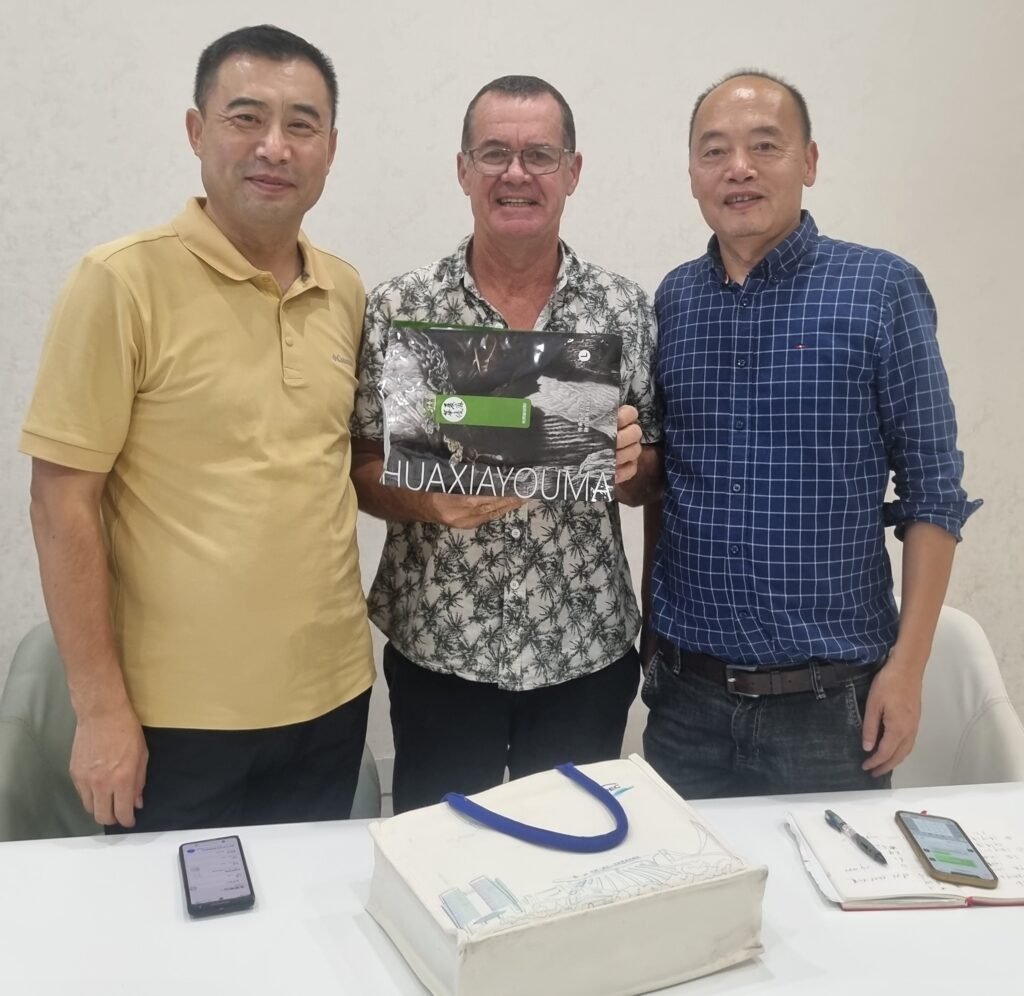
My Amazing Visit to China 4 -16 October 2024 By Colin Steddy – Hemp Inside Access to seed I flew to Xiamen and was driven to Zhangpu, to catchup with Mr Xu and his father Rong Long from ZHANGPU ZHONGLONG KENAF SEEDS CO, LTD. I first imported seed from Xu in 2017 after my visit in 2016 and have kept close contact since. We have formed a strong relationship. Working together with ideas on how to do more than just seed. China can now get permits to grow in most parts of China. The THC must be below 0.35 unless you have a breeding licence. Mr Xu has a breeding program with a government centre in China, paid for by Xu, looking at hybrid hemp seed production. For me, it was an interesting site visit because: we are talking new varieties of hemp the breeding program is looking at 4 tonnes per ha, so hemp can compete with soy. Currently there is a world shortage of hemp seed for food and planting seed. I am hearing reports of low yields and low germination across the world. ZHANGPU ZHONGLONG KENAF SEEDS CO, LTD has potential to produce eight hundred tonnes of planting seed for export around the world. Hunter Valley Hemp Seed & Grain, a new enterprise with Bob and Susan Doyle and myself. We will be growing the Chinese varieties in early 2025 for planting in the 2025 September season. We will also export. Please contact me for information. Details below. Research needed New research needs to be done on the flowering and pollen drop with dioicous varieties. With the findings that seed from around the world is having issues with low seed germination and bad vigour. We thought this was to do with heat and temperature; there is more to learn about the flowering times especially in diecious varieties. Mr Xu and I have been working on a seed testing protocol. When male pollen falls, are the females ready and what are the weather conditions? Is it cold and wet are the day length short? This looks like the results at Hamilton in Victoria for the long season varieties. Because of cold short days there was little seed produced exactly as I have been suggesting. Long season seed crops should be grown in the north then moved south for fibre and biomass production. Could this also be a result of germination rates falling quickly and low plant vigour? We are looking for the collection of flowering and weather conditions in relation to germination rate drop and low seed vigour. I would like our researchers to look at this. Exploring seed testing protocols We are looking at building new seed testing protocols on how to monitor what might happen with seed longevity. The hemp industry in Australia needs to keep all data from planting and fertiliser inputs and timing. What triggers THC spikes? Why do seeds loose germination? Fibre quality, planting density (plants per m2) and fertilise can have an enormous impact. Let alone how the machinery and retting occur. Know the spec from the end user? In the north of Australia long season varieties continually get higher grain yields. South European, and some Australian varieties do better than in the hot north. How you move the varieties in latitude will give you a different outcome, seed size, yield, or biomass. This also happens in China just south to north. See AgriFutures hemp trial results from all sites in Australia. The one thing that has not been calculated in the result is grain yield/price and biomass price. As a grower we need to know the total income from a crop. You can work this out yourself. Find the yields of biomass and seed and give them a value on current market. I work on $2.65 for grain and $3.50 for biomass as the stalk is less value than just a biomass crop. Currently in China there is a large demand for hemp fibre and China is sourcing fibre from every corner of the world. Is your fibre going into textiles, insulation, weed matting or paper? Each end product requires different specs and price. How much hurd can be in the fibre? Or is it a whole stalk product? My visit to a textile mill I visited a textile mill in Shanghai (CPL) that want to purchase textile fibre from Australia; the mill makes clothing, with hemp blended with other fibres. Lisa was my interpreter and looked after me. Their demand is growing, and they could be looking for up to 10,000 tonnes! Once again, I was treated like a king and taken to dinner and sightseeing to Xitang, an old Chinese town. Usually it is very crowed, but it was raining and was thankfully incredibly quiet. The market was a maze of thin walkways with shops selling food and a vast array of items big and small. It was very beautiful. This mill has a contact living in South Australia. His name is Yao Yang, and he kindly organised my visit. I wanted to see the fibre quality they need so I can help Australian growers and processors meet the specifications. Today there is a massive shortage of textile hemp fibre – how long it will last, we do not know. I introduced them to Mr Xu, my friend in Zhangpu. Unlike Australia, the industry in China is large and they were not familiar with each other. Along with Lisa, my interpreter, Mr Chunlei Hou and Professor Fan, a polymer academic took me to lunch. They were very warm and friendly. Before we drove to the mill, we discussed growing the right fibre, retting and what spec they need. They have some samples from Australia that need to have less hurd – below 10% is ok. The only mill I know that is close to their spec is Gary Rogers in WA and Bob and Susan Doyles’ that needs a few modifications to clean the fibre and the dust extraction.

Education, Growers, News, Newsletter, Research, Rural Supplies, Seed Supplies

Murray Industrial Hemp Launches Seed Funding Opportunity

Murray Industrial Hemp Launches Seed Funding Opportunity  October 10th, 2024 Murray Industrial Hemp P/L (MIH), an innovative leader in sustainable hemp cultivation and industrial building products, is excited to announce the launch of its Seed Funding Investment Memorandum. This investment opportunity marks a significant step in the MIH journey to expand its operations and enhance its impact in the rapidly growing industrial hemp market. MIH is inviting strategic investors to join its mission to transform the industrial hemp industry by participating in its seed funding round. The funds raised will be allocated to building business infrastructure, covering initial startup operational expenses, expanding a strong grower network, advancing a seed breeding program, partnering with an industry-leading carbon accounting firm and driving market growth. Key Investment Highlights: • Sustainable Agriculture Focus: MIH is committed to developing a strong grower base through innovative hemp production techniques that support sustainable agriculture. • Growth Potential: With a strong network of strategic partnerships, including collaborations with established local and overseas hemp companies, and research institutions, MIH is well-positioned to scale rapidly in a sector experiencing exponential growth. • Community-Centric Approach: MIH is dedicated to providing long-term benefits to local communities through job creation and environmentally sustainable practices. “We are at the forefront of a transformative moment in the hemp industry, providing opportunities to shorten the value chain by focusing on delivering sustainable building products,” said Project Lead Leigh Fletcher, of Murray Industrial Hemp P/L. “This seed funding round will accelerate our growth and innovation efforts, allowing us to expand operations, develop advanced hemp technologies, and explore new markets.” Prospective investors can access the condensed Investment Memorandum here or contact Leigh Fletcher of the MIH Investment Team info@murrayindustrialhemp.com.au or call 0429 144 743.

Scroll to Top