In memoriam – Beatrice Kuyumgian-Rankin
Beatrice was one of those rare people who leaves an indelible mark on everyone fortunate enough to cross her path.
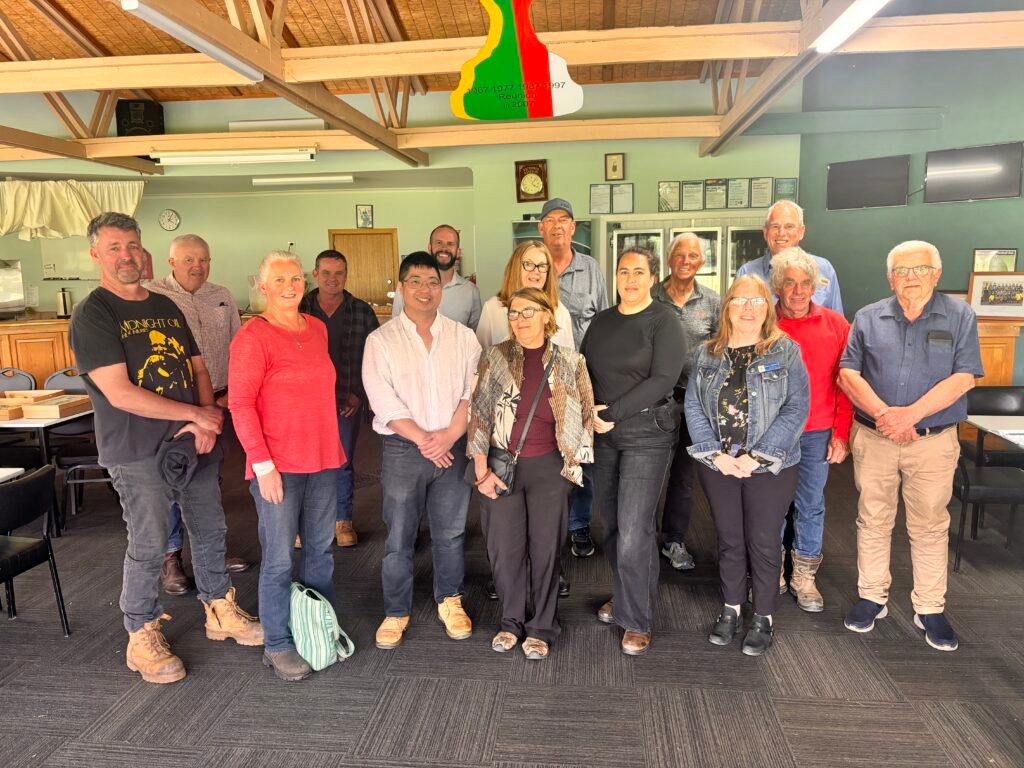
Gippsland region’s emerging industrial hemp industry…The conclusion was optimistic: Orbost presents a genuinely compelling case for becoming Australia’s first dedicated industrial hemp processing hub.
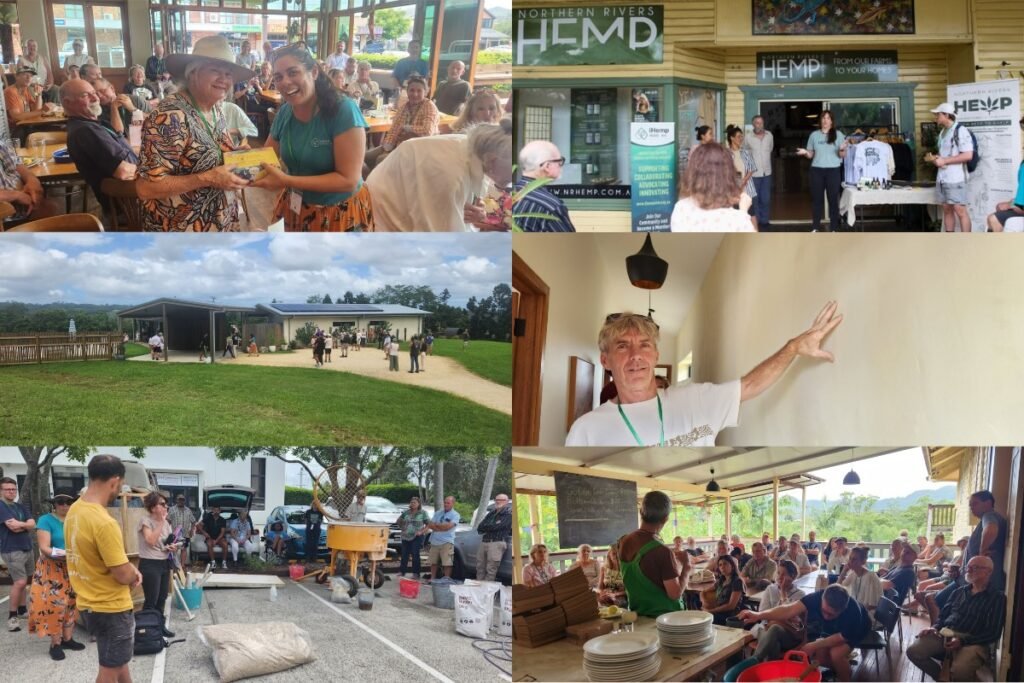
The Northern Rivers Hemp Field Trip a Sold-Out Success with more than 65 hemp enthusiasts from across eastern Australia who gathered over the weekend of 7–8 March for the sold-out event, highlighting the region’s growing role as a hub for Australia’s emerging hemp industry.
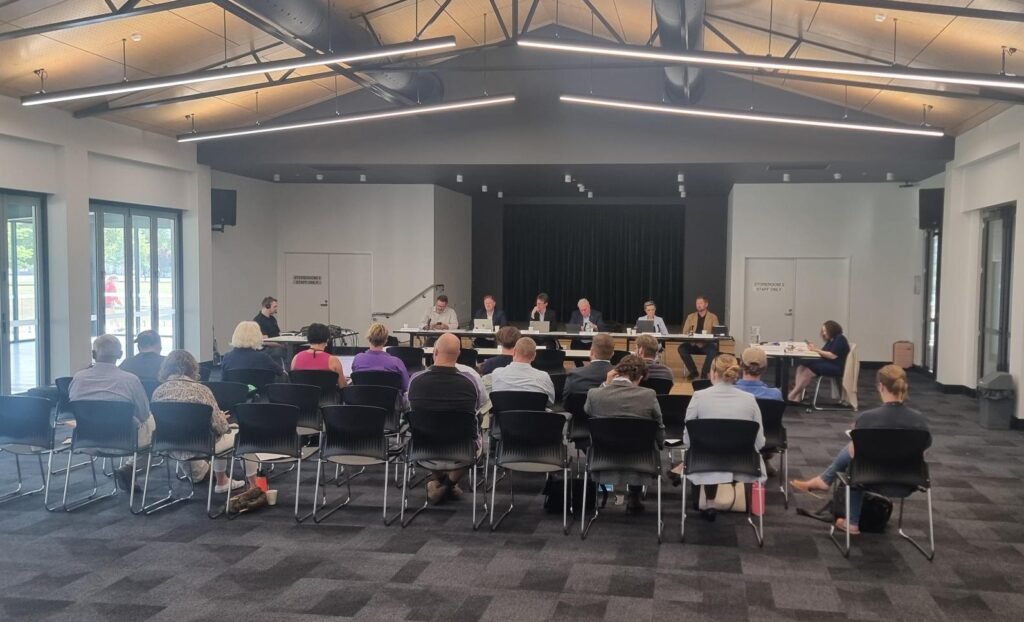
Senate Inquiry Overview – series of hearings on Opportunities For A Hemp Industry in Australia, has kicked off in Longford, Tasmania
Join us on 23 April 2026 Webinar ft. Joost Bakker’s Vision for Regenerative Living, Building the future with hemp.
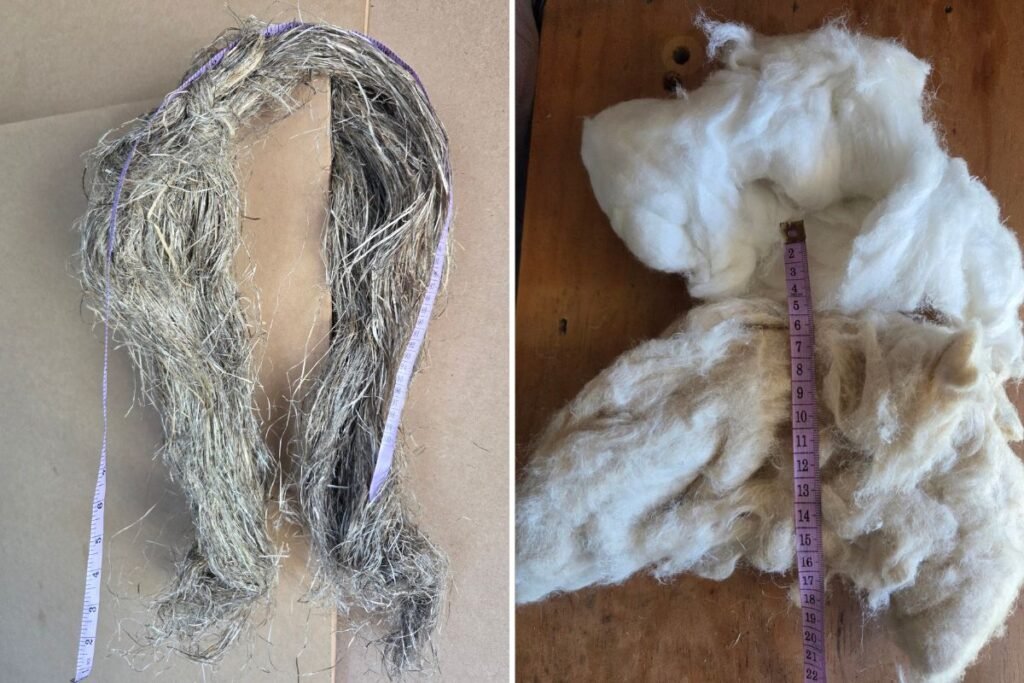
Colins story of his visit to China and the news about hemp fiber.
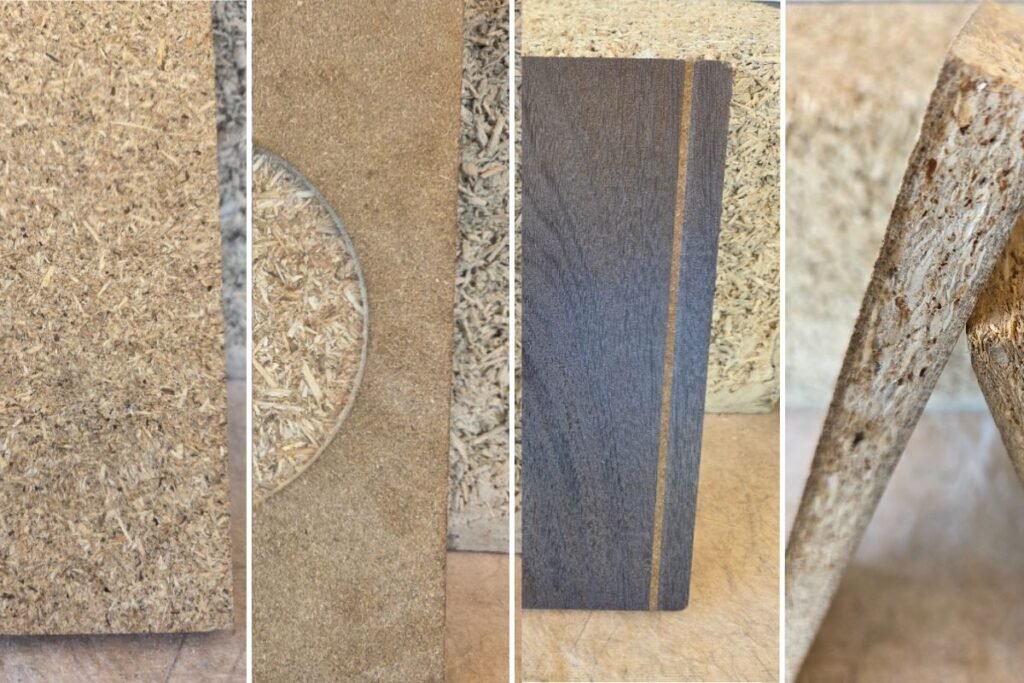
Hempwood Samples are now close to completing testing and, over the next year, should be ready to move into production
A significant NSW Government grant is currently open that presents a real opportunity for the industrial hemp sector in NSW, and for iHemp NSW to play a stronger, more effective role in supporting industry growth. The Agriculture Industries Innovation and Growth Program is designed to accelerate the uptake of innovative technology and equipment, improve supply chain productivity, open new export markets, and reduce emissions across the agricultural sector. With funding available from $500,000 to $4 million, this program is aimed at projects that deliver practical, on-the-ground outcomes, not business-as-usual activity. Industrial hemp aligns strongly with the program’s objectives, particularly in plant-based industries, low-emissions materials, regional development, and supply chain innovation. Why this grant matters for industrial hemp High-level project ideas that could work for iHemp NSW Below are concept-level ideas only. Any project would need to be developed with industry partners and co-investment. Statewide hemp supply chain enablement Regional hemp processing and equipment access hubs Low-emissions hemp materials validation and scale Export-ready hemp fibre and hurd development Aboriginal-led hemp enterprise partnerships Industry backbone and delivery capacity What this grant is not for Projects must be time-bound, outcomes-driven, and focused on equipment, technology, and measurable industry impact. Next steps iHemp NSW is exploring whether a strong, industry-led project can be developed that aligns with the program requirements. Any application would require: If you are a grower, processor, manufacturer, or regional organisation interested in being part of a potential project, we encourage you to reach out and start the conversation early. This is a rare opportunity to build real capability for the NSW hemp industry, and to do it at the scale required to make lasting change. NSW Agriculture Grant Opportunity for the Hemp Industry
These past few months have seen Ashford Hemp Industries (AHI), Leon Minos working hard with the team to get a second Ashford Hemp Processor established in New Zealand. Meanwhile Connie is wanting to talk with farmers who are growing or are considering growing hemp in North-West NSW to procure ongoing supply of quality bales. New Zealand’s Venture Taranaki have ramped up their hemp industry development with the purchase of an Ashford Hemp Processor. The installation differs to other processors AHI has supplied and we’re keen to see it in full operation over the coming days. If you would like further information about purchasing a Hemp Processor, please contact us on the details below. While Leon has been enjoying the beautiful scenery in the Taranaki area, Connie and the processing team continue to be busy processing hemp to supply hempcrete builds in NSW and QLD. “We are keen to establish an ongoing supply relationship with farms in the North-West NSW or southern QLD to ensure we continue meeting the growing demand of hemp fibre. Growing hemp generates soil improvement and income, but there are several key points that are essential in ensuring these benefits are accessed by both farmers and processors,” says Connie. Please contact Connie on the details below if you would like more information. Connie Minos EO iHemp NSW Director, Ashford Hemp Industries Ph 0477812163 E:connie@ashfordhempindustries.com
By Winton Evers | Managing Director | Eco Profit Management Pty Ltd Introduction Eco Profit has been developing the Eco Profit Hemp Platform, a live lifecycle carbon removals/emissions tracking tool throughout the hemp value chain. Please go to the link in the Hemp Building Directory for some background on the project. It has three stages: Stage one: the creation of a marketplace for hemp to join buyers, sellers and all stakeholders in the industry whilst introducing product specifications and forward contracting throughout the value chain (providing market certainty). Stage two is the creation of the provenance tool that will include GS1 barcoding and will track all hemp biomass from paddock to end product. This will mean the collection of the appropriate data right across the value chain. Stage three is the creation of carbon offsets. In Australia, that will mean getting approval from The ACCU Scheme to create official carbon offsets. However, to be able to get to this stage will require crops generally being recognised as being able to be used for storing carbon permanently (such as in buildings) and the hemp crop being recognised in Australia’s National Greenhouse Gas Inventory (NGGI). On the first point, the UN Intergovernmental Panel on Climate Change (IPCC) which dictates the rules for national greenhouse gas emissions calculation is in the process of approving a new sub-category called Harvested Non-wood Biomass Products that will be a game changer. To the second point, the hemp industry will need to demonstrate that it will shortly be a material crop i.e. permanent carbon removals of greater than 0.5% of Australia’s national emissions and also, to be able to provide extensive data that will allow the Clean Energy Regulator to be able to facilitate its inclusion in the NGGI. With the goal of achieving that recognition I have prepared a suggested simplified roadmap to get there as follows: Phase 1 – Measurement & calibration (12–24 months) Conduct multi-state field trials on an ongoing basis to quantify hemp’s key crop attributes: dry matter by component, carbon content, residue returns, and SOC baselines underpinned by quality assurance/quality control (QA/QC) protocols and RothC validation. Please see Appendix A below with field trial details. Phase 2 – National data pipeline Formalise area, yield, and management reporting through ABARES/ABS or interim industry reporting aligned with their standards. Each state regulator would need to share data on licensed hemp plantings and harvests, and the Hemp Platform can capture this directly from the paddock to ensure transparency and traceability. Practically: create standard forms/application programming interfaces (APIs) for growers, processors, product manufacturers and product end use, QA/QC rules, aggregate by LGA/state, publish annual stats, get state regulators to share licensed planting/harvest data and work with ABARES/ABS towards inclusion in official ag statistics. Phase 3 – Integration with FullCAM Once crop data is validated, collaborate with DCCEEW to: Add hemp to the CAMAg crop list, Define management splits (residue retention, tillage, irrigation), and Integrate hemp into annual cropland modelling. This would enable Australia’s greenhouse gas inventory to reflect both emissions and removals associated with hemp cultivation and management. Phase 4 – Product durability & standards (future-proofing) Commission/collect studies on the durability and half-life of hempcrete and hemp composites, establishing credible parameters for the forthcoming HNBP framework. Work includes (such as the work Klara has been doing): Developing a Standards Australia Technical Specification for hemp-lime walling. Supporting National Construction Code (NCC) compliance through accredited testing and certification. Using the Hemp Platform to trace carbon removals across the value chain from crop to finished product. Phase 5 – ACCUs (future opportunity) Once the HNBP category is formalised, pursue an ACCU method for carbon storage in durable hemp products. In the meantime, build the evidence base: measure service-life, end-of-life outcomes, SOC change, and management practices. This ensures the industry is method-ready when the opportunity opens. This includes ensuring the data is captured from soil sequestration ACCU projects which involve associated hemp planting. APPENDIX A 1. Set up site-specific model inputs Climate: monthly rain & temperature and potential evapotranspiration (PET). Soils: clay %, bulk density, initial soil organic carbon (SOC) by depth, inert organic matter (IOM) estimate. Management: tillage, irrigation, cover crops. Carbon inputs: measured residue & root carbon, stubble height/returns. 2. Partition plant material into pools Map lab data e.g. lignin/ acid detergent fibre (ADF)/ acid detergent lignin (ADL), carbon-to-nitrogen ratio( C:N) to decomposable plant material/ resistant plant material (DPM/RPM) fractions required by RothC (fast vs resistant decomposable pools). 3. Calibrate starting state Use the baseline SOC e.g. 0–30 cm, equivalent soil mass) to initialise model pools including IOM for each site/plot. 4. Run forward with measured inputs Drive RothC with observed monthly inputs and management for the trial period (12–24+ months). This will mean accessing the RothC program and understanding specific data inputs into the program. 5.Compare model vs measurements Check predicted vs measured SOC stocks/stock-change (by depth, usually 0–10 & 10–30 cm). Stats: root mean square error/ mean absolute error (RMSE/MAE), bias (mean error), Coefficient of Determination(R²)/Nash–Sutcliffe; confidence intervals via Monte Carlo on uncertain inputs. 6. Sensitivity & uncertainty Vary key parameters (DPM/RPM, residue C, clay %, IOM) to show robustness and quantify uncertainty ranges. 7. Cross-site validation Demonstrate performance across multiple states/soils/rotations (not just one site) to show generalisability. 8. QA/QC evidence Field/lab standard operating procedures (SOPs), duplicates/blanks, bulk density & SOC lab checks, outlier rules, equivalent soil mass (ESM) corrections, versioned model configs.