Research

Universities, institutions, and organisations conducting research into hemp agronomy, materials, and applications.

Building, Education, News, Newsletter, Research

Exploring the Future of Timber at Parliament House

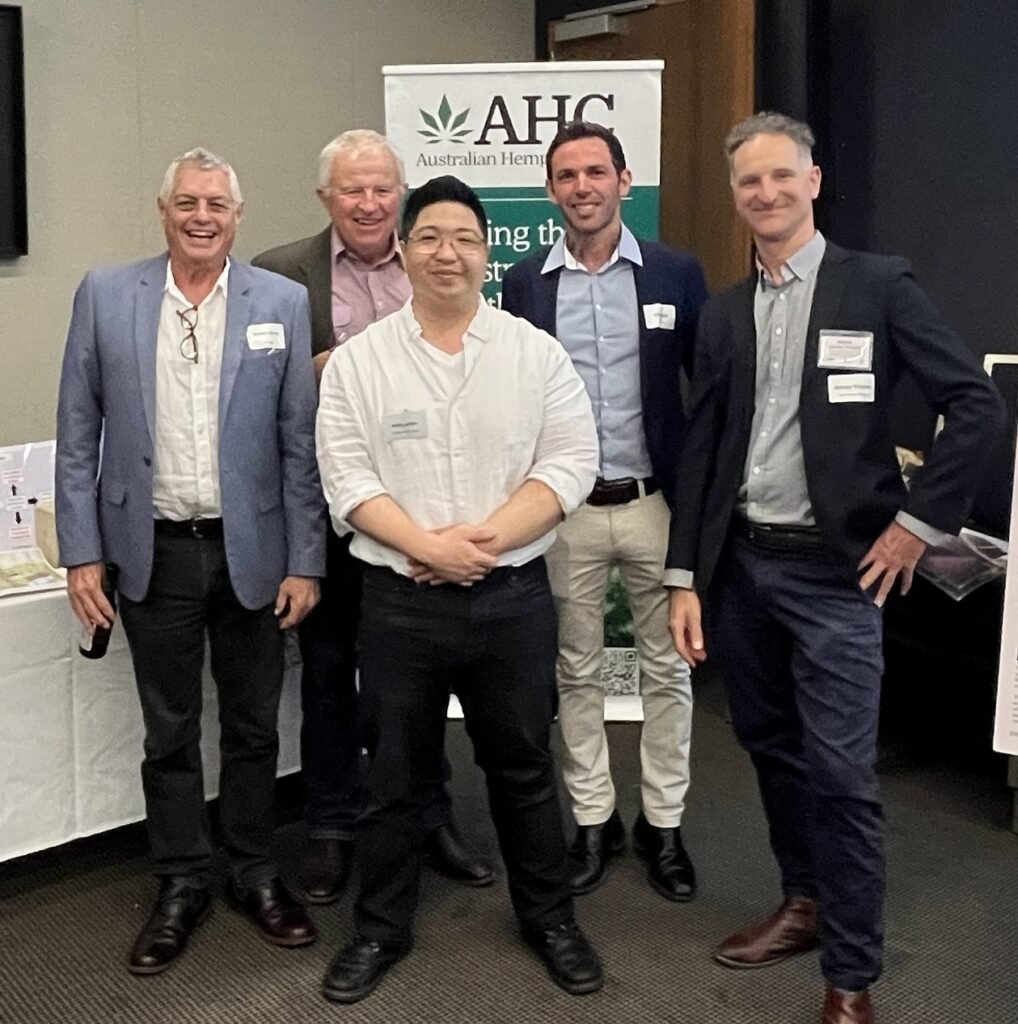
By Harrison Marsh | Otetto Mid-October, we were proud to attend the Sustainable Timber Solutions Parliamentary Showcase at Parliament House, hosted by the Parliamentary Friends of Forests, Forest Alliance NSW, and WWF-Australia. The evening brought together leaders from across the timber, construction, and sustainable materials industries to explore viable alternatives to native forest logging — a practice increasingly under scrutiny for its environmental and social impacts. It was a strong turnout, with industry professionals, policymakers, and innovators all engaging in meaningful discussions about the next chapter of timber in Australia. Opening remarks from Dermot O’Gorman, CEO of WWF-Australia, and Justin Field from Forest Alliance NSW set the tone for the night — highlighting the urgent need to protect our remaining native forests and accelerate the shift toward sustainable, regenerative materials. Displays from House of Bamboo, Hemp Inside, Bamboo Society Australia, Australian Hemp Council, iHempNSW, and BVN Architecture showcased how materials like hemp, bamboo, and engineered wood products are already reshaping what’s possible in the built environment. For us at Otetto, it was an excellent opportunity to connect with like-minded innovators and explore how these materials can work together to fill the gaps. Finding Balance, Not Replacements While hemp and bamboo offer impressive performance and sustainability credentials, they are not a like-for-like replacement for hardwoods — either in performance or aesthetics. Trying to directly replace native timber with these materials is a bit like trying to make vegetarian food look and taste exactly like meat. Each has its own unique strengths and characteristics, and part of the challenge is learning how to design and build in a way that embraces those differences rather than mimicking the past. Supporting Industry Transition Another key takeaway from the event was the recognition that the transition away from native forest logging is not just an environmental issue — it’s also a people issue. The emerging hemp and bamboo industries can play a vital role in providing new opportunities for workers and regional communities historically tied to forestry. These new industries can offer sustainable, locally grown alternatives while supporting a fair and considered transition for those affected by industry change. The Importance of Responsible Land Management If a ban on native forest logging goes ahead, it’s essential that the land is managed correctly. Protecting forests is only part of the equation — how that land is maintained will determine the long-term success of the policy. Poor management practices, particularly around fire mitigation, have historically caused more damage to native habitats than sustainable, selective forestry operations. As highlighted by many within the agricultural and environmental sectors, including land managers with decades of experience, government agencies have often struggled to properly maintain the land they already oversee. Without proactive management, the risk of catastrophic fire events increases — ultimately threatening the very ecosystems these policies are designed to protect. At Otetto, we recognise this is a complex and sensitive space. Sustainable forestry and conservation can coexist if managed correctly. Regeneration, selective harvesting, and habitat corridor planting can all form part of a balanced approach that supports both environmental and economic outcomes. It’s not about one side being right and the other wrong — it’s about finding common ground where biodiversity is protected, and communities and industries can continue to thrive sustainably. Education and Collaboration As these sectors continue to grow, education will be critical. Suppliers, specifiers, builders, and end users all need better access to knowledge and training on how to implement these materials effectively. Understanding how to design, engineer, and build with hemp and bamboo will be key to ensuring they take root in the mainstream construction landscape. The event also saw encouraging interest from attending politicians, signalling growing recognition at the policy level of the potential these materials hold. This kind of support will be essential to helping the industry mature and scale responsibly. Looking Ahead The realities of native forest logging — as highlighted in recent reports by WWF-Australia — show why finding alternatives is so important. But as we saw at Parliament House, the solutions are already taking shape. With collaboration, education, and open-minded design thinking, we can move toward a future where sustainable materials like hemp and bamboo play a major role in Australia’s construction story. At Otetto, we’re proud to be part of that conversation and look forward to continuing to work with partners across the industry to build better, cleaner, and smarter. Photos courtesy of Jeremy Thomas (Hemp Building Directory) and Colin Steddy (Hemp Inside).

Education, News, Newsletter, Research

Hemp Taskforce Recommendations Overlooked in DPI Updates

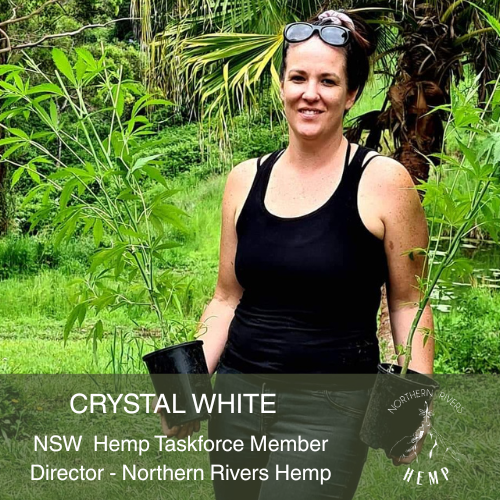
The NSW Hemp Industry Taskforce’s 2024 recommendations aimed to modernise and strengthen the state’s hemp sector by promoting innovation, flexibility, and clearer regulation for growers. However, after reviewing the Department of Primary Industries’ (DPI) updated hemp framework and Licence Manual released in September 2025, Taskforce member Crystal White, Director of Northern Rivers Hemp, found that many of these key recommendations have not been implemented. While the Taskforce proposed a more enabling and forward-thinking approach, the new framework continues to focus largely on compliance and enforcement. A clear example is the missed opportunity to introduce a licence category for environmental remediation.  This reform would have recognised hemp’s ability to improve soil health, capture carbon, and support sustainable land rehabilitation. Despite its environmental and economic potential, the initiative was not included in the new framework. Crystal has since contacted Jeremy Buckingham MLC, who has shown ongoing support for hemp industry reform, and expects he will raise the matter with Minister for Agriculture Tara Moriarty for further consideration. The comparison report shows that many of the Taskforce’s practical, industry-driven reforms- such as flexibility for crop testing, streamlined licensing, and recognition of new hemp applications—remain unaddressed. “A more collaborative and forward-thinking approach is needed if we want to see the NSW hemp industry reach its full potential,” Crystal said.

Education, Growers, News, Research, Rural Supplies, Seed Supplies

Murray Industrial Hemp Launches Seed Funding Opportunity

Murray Industrial Hemp Launches Seed Funding Opportunity  October 10th, 2024 Murray Industrial Hemp P/L (MIH), an innovative leader in sustainable hemp cultivation and industrial building products, is excited to announce the launch of its Seed Funding Investment Memorandum. This investment opportunity marks a significant step in the MIH journey to expand its operations and enhance its impact in the rapidly growing industrial hemp market. MIH is inviting strategic investors to join its mission to transform the industrial hemp industry by participating in its seed funding round. The funds raised will be allocated to building business infrastructure, covering initial startup operational expenses, expanding a strong grower network, advancing a seed breeding program, partnering with an industry-leading carbon accounting firm and driving market growth. Key Investment Highlights: • Sustainable Agriculture Focus: MIH is committed to developing a strong grower base through innovative hemp production techniques that support sustainable agriculture. • Growth Potential: With a strong network of strategic partnerships, including collaborations with established local and overseas hemp companies, and research institutions, MIH is well-positioned to scale rapidly in a sector experiencing exponential growth. • Community-Centric Approach: MIH is dedicated to providing long-term benefits to local communities through job creation and environmentally sustainable practices. “We are at the forefront of a transformative moment in the hemp industry, providing opportunities to shorten the value chain by focusing on delivering sustainable building products,” said Project Lead Leigh Fletcher, of Murray Industrial Hemp P/L. “This seed funding round will accelerate our growth and innovation efforts, allowing us to expand operations, develop advanced hemp technologies, and explore new markets.” Prospective investors can access the condensed Investment Memorandum here or contact Leigh Fletcher of the MIH Investment Team info@murrayindustrialhemp.com.au or call 0429 144 743.  

News, Research

Biosecurity Alert!

News from Biosecurity Harrisia Cactus is a pesty biosecurity matter that appears to be creeping in. WE DO NOT WANT IT!!!! For those in the Narrabri region, please if you can, turn up to the Pilliga Pub on Tuesday the 29th of October and familiarise yourself with this plant and what it can do to your land. Please share this to other landowners. We need you all to be vigilant and help us to help you to protect your land.  It has the potential to take over.

Education, News, Research

“Little Experiments, Big Crises”

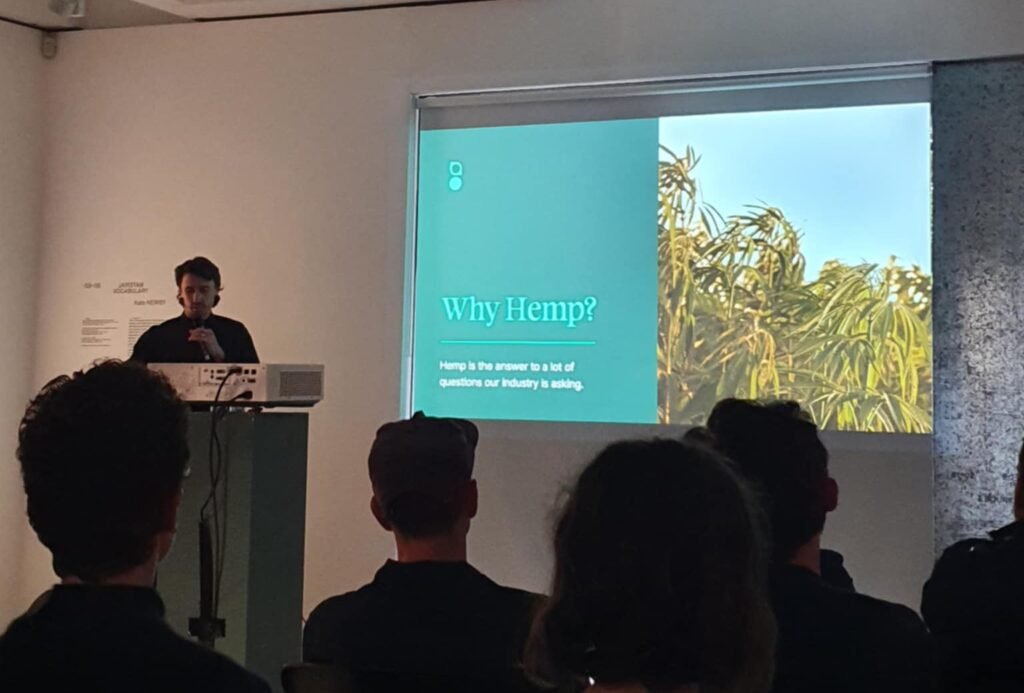
By iHempNSW member Amanda Marsh from Otetto  On September 26th, we were invited to participate in a symposium titled “Little Experiments, Big Crises” hosted by Sydney University in collaboration with the Alistair Swayne Foundation. The symposium brought together architects, builders, manufacturers, and collaborators involved in the field of prefabrication. Otetto was invited to discuss the use of hemp and sustainability, during which we delivered a presentation followed by an open panel discussion with leading sustainability architect Alexander Symes, moderated by Jennifer McMaster of Trias Studio. It was an honour to contribute to such an engaging discussion focused on prefab housing in Australia, highlighting the ongoing tension between customisation and affordability. Harrison, co-founder of Otetto, showcased Otetto’s two offerings: off-the-plan hemp homes and the early developments of our Living Canvas prefabricated walling system; that save time and costs while promoting access to sustainable and healthier homes. A key takeaway from the event’s discussion was the need to shift people’s perceptions from customisation to standardisation, encouraging new home builders to embrace a curated, menu-like selection of home designs that are sustainable, accessible and highly liveable. We look forward to continuing this discussion and being part of the movement that highlights how the combination of prefabrication and locally-grown hemp is the change Australian homes need.

News, Research

A 25 year relationship with industrial hemp

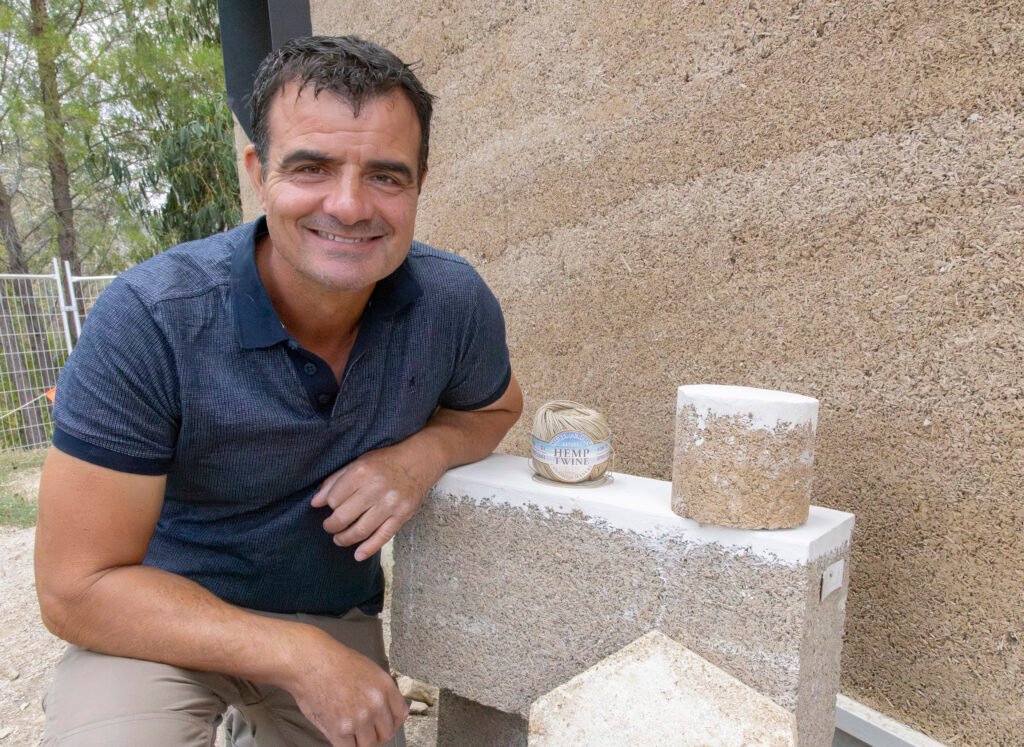
A 25 year relationship with industrial hemp A pioneer and well respected champion of hempcrete, Klara Marosszeky, Founder & Managing Director of Australian Hemp Masonry shares her 25 year relationship with industrial hemp. By Kieren Anderson Can you describe the journey of the Australian Hemp Masonry Company from its inception in 1999 to its current position in the hemp construction industry? KM: The company was officially registered in 2014, but my involvement began in 1999 when I held a research licence with the Department of Health to conduct hemp varietal trials in New South Wales (NSW). At that time, DPI’s research suggested that hemp was not viable in NSW. I was one of the few licensed growers, holding licence number 3. In 2000, after reviewing available research, I created trial mixes of hempcrete and sent them to my brother for his expert opinion. He had extensive experience in building materials research and would provide a cautious assessment. I grew 2 hectares of Futura 75 hemp in Wollombi, harvesting it with a small group using a brushcutter. We built a mini processor at the University of New South Wales (UNSW) and began a self-funded research project at the Australian Centre for Construction. Progress was slow due to part-time teaching, work with Greening Australia, and a young family. What were some of the initial challenges you faced when introducing hemp as a building material in Australia, and how did you overcome them? KM: Initially, there was no precedent in Australia, apart from a Tasmanian project using imported materials. Limited English research on hemp building and minimal technical support presented challenges. The first significant hemp project in the UK, involving two townhouses in Suffolk, was completed in 2001. We faced a steep learning curve in understanding hemp construction and its adaptation to Australia’s diverse climates. This led to the development of a construction manual detailing best practices for hempcrete in Australia. We provided one-on-one technical support for builders and owner-builders, addressing challenges such as extreme weather events like Cyclone Oswald in 2013. Could you elaborate on the research and development process behind your building products? What were the key milestones and findings during this phase? KM: Early on, we explored achieving load bearing hempcrete, misled by online claims about its high strength. We later realised that hemp’s true benefits lie in its carbon sequestration, thermal performance, vapour permeability, the improved indoor air quality it gave, rather than its load-bearing capacity. We also learned that while adding excessive binder could create a load-bearing material, it compromised other important properties of hempcrete. How do you ensure the quality and durability of your hemp building products, especially considering the diverse climates they are used in across Australia and New Zealand? KM: Ensuring quality and durability involves using well-tested products, reliable manufacturers, and understanding climate-specific installation challenges. Training installers, collaborating with building designers, and providing strong technical support are crucial. Educating builders and designers will be an ongoing task until hemp construction becomes mainstream. We share insights from diverse projects in our training courses. With more published information and guidebooks, with recommended detailing, we can address various climate conditions in Australia, from cold and wet areas to hot and dry regions, as well as high humidity areas. How have partnerships and collaborations with regional processors influenced the evolution of your products and the scalability of your operations? KM: Emissions reduction was a core part of our vision, so regional partnerships and collaborations were essential. Introducing a novel building product like hemp required demonstrating its benefits plus its emissions reduction potential to stakeholders, including politicians. Building examples and partnerships across the country helped us gain acceptance and support. Can you share some insights into the regulatory environment surrounding hemp construction materials in Australia? How has it evolved over the years? KM: The regulatory environment has improved significantly. We now receive serious consideration from certifiers and building surveyors. Media coverage, such as on the ABC, has become more informed and positive. Most projects require development consent and certifier approval. We can provide a site-specific Performance Solution, documented product testing and international research to show how our materials meet National Construction Code standards. We also ensure designs are suitable for hemp construction, considering factors like roof overhangs and local weather. This year, we ‘re contributing to developing a Standards Handbook for Hemp Construction to hopefully further streamline approvals. What are some notable residential and commercial projects where Australian Hemp Masonry products have been used? Could you highlight a few that demonstrate the versatility and performance of your materials? KM: Notable projects include the Mildura Powerhouse Project, which features three buildings funded by federal, state, and regional governments. Innovation Centre at Byron Steiner School is Australia’s first hemp school building, praised for its carbon sequestration benefits and improved indoor climate. The award-winning hemp composting loo at Wilkins Green Public School in Sydney introduced hemp construction to city residents. The Caloundra hemp home, built by the community for a family with medical needs, highlighted hemp’s suitability for community projects. In terms of sustainability, Shepherds Ground Ecovillage in the Hunter Valley showcases eight small-footprint hemp homes built with locally grown hemp and timber. Other notable projects include several award-winning homes in NSW and the upcoming refurbishment of the old Forestry building at UTAS’s Hobart Campus, featuring internal hemp walls. In what ways do you collaborate with architects, building designers, and builders to promote the adoption of hempcrete in construction projects?  KM: We often receive design enquiries from individuals who have attended our training courses and approach their designers with our details and compliance information. We engage in discussions with designers and builders, especially for first-time hemp projects. Collaborating with organisations like MECLA is helping us to attract the attention of design practices, developers, and government. Looking forward, what are your goals and aspirations for the company in terms of innovation, expansion, and sustainability? KM: We are continuously involved in R&D with universities, currently collecting data on thermals, acoustics, and indoor air quality at UTS. We

Scroll to Top