
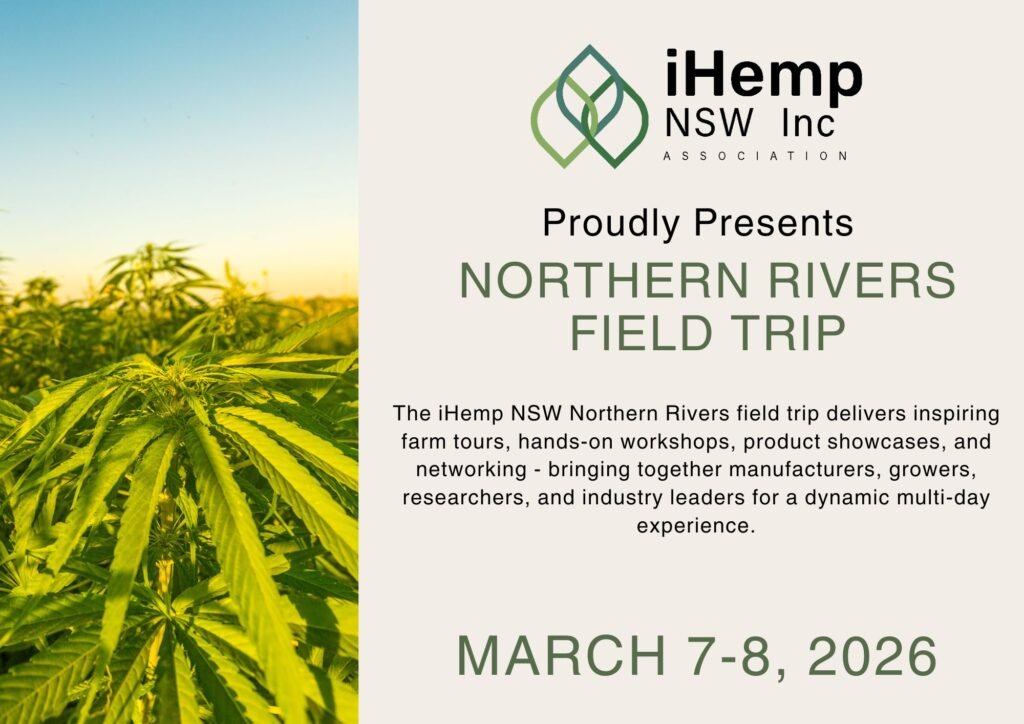
Northern Rivers Hemp Field Trip 7/8 March
The iHemp NSW committee is excited to announce an inspiring 2.5-day field trip in the beautiful Northern Rivers region is in the making.
The iHemp NSW committee is excited to announce an inspiring 2.5-day field trip in the beautiful Northern Rivers region is in the making.

Explore how locally grown hempwood can strengthen Australia’s housing supply, create regional jobs, and protect native forests, and how WWF-Australia is working to secure greater federal and state government support.
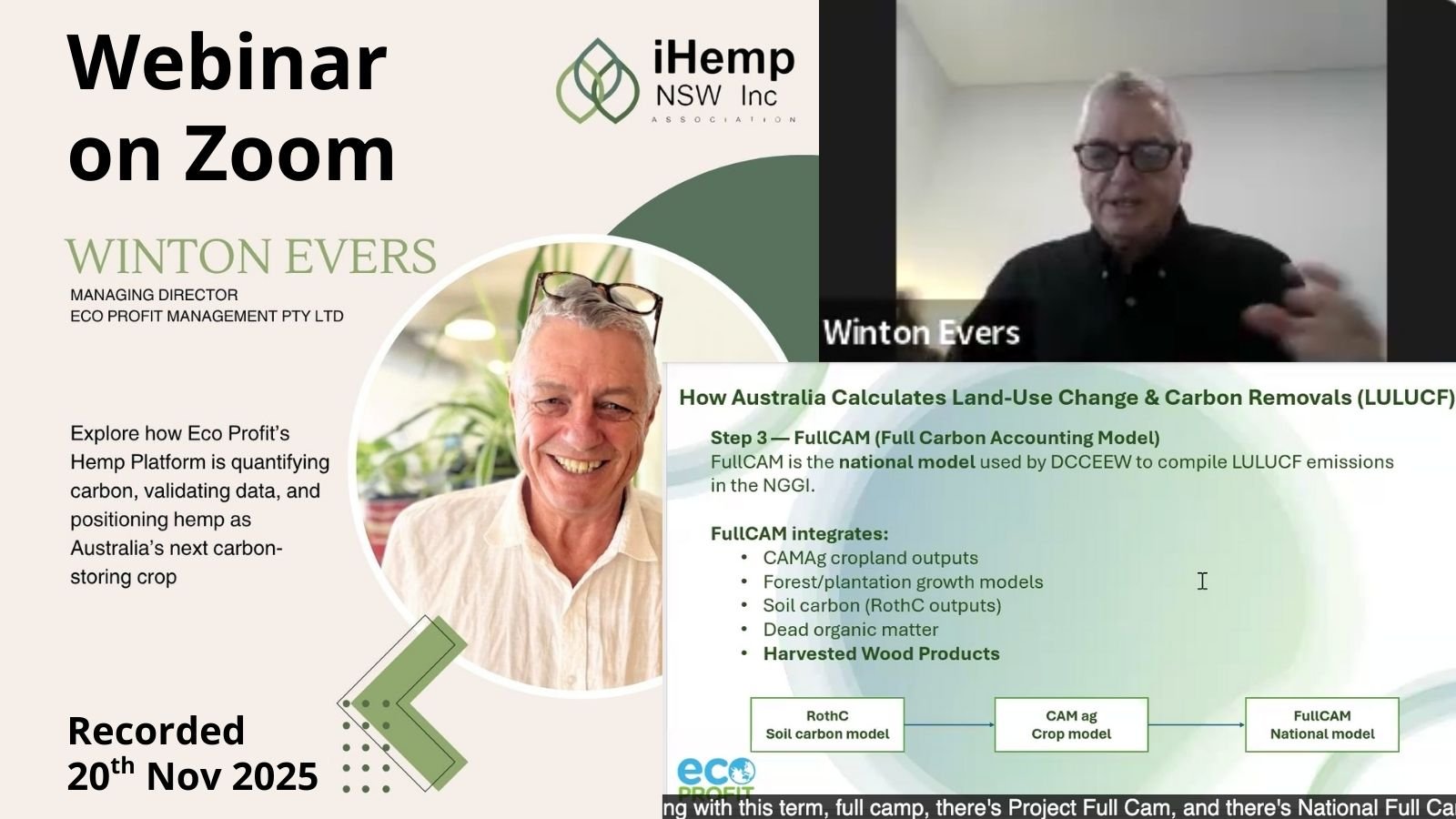
On 29 November, iHemp NSW hosted an insightful webinar with Winton from Eco Profit, led by our chair Collin Steady. The session explored one of the most important emerging themes in the hemp industry: carbon traceability from paddock to end product.
These past few months have seen Ashford Hemp Industries (AHI), Leon Minos working hard with the team to get a second Ashford Hemp Processor established in New Zealand. Meanwhile Connie is wanting to talk with farmers who are growing or are considering growing hemp in North-West NSW to procure ongoing supply of quality bales. New Zealand’s Venture Taranaki have ramped up their hemp industry development with the purchase of an Ashford Hemp Processor. The installation differs to other processors AHI has supplied and we’re keen to see it in full operation over the coming days. If you would like further information about purchasing a Hemp Processor, please contact us on the details below. While Leon has been enjoying the beautiful scenery in the Taranaki area, Connie and the processing team continue to be busy processing hemp to supply hempcrete builds in NSW and QLD. “We are keen to establish an ongoing supply relationship with farms in the North-West NSW or southern QLD to ensure we continue meeting the growing demand of hemp fibre. Growing hemp generates soil improvement and income, but there are several key points that are essential in ensuring these benefits are accessed by both farmers and processors,” says Connie. Please contact Connie on the details below if you would like more information. Connie Minos EO iHemp NSW Director, Ashford Hemp Industries Ph 0477812163 E:connie@ashfordhempindustries.com

By Winton Evers | Managing Director | Eco Profit Management Pty Ltd Introduction Eco Profit has been developing the Eco Profit Hemp Platform, a live lifecycle carbon removals/emissions tracking tool throughout the hemp value chain. Please go to the link in the Hemp Building Directory for some background on the project. It has three stages: Stage one: the creation of a marketplace for hemp to join buyers, sellers and all stakeholders in the industry whilst introducing product specifications and forward contracting throughout the value chain (providing market certainty). Stage two is the creation of the provenance tool that will include GS1 barcoding and will track all hemp biomass from paddock to end product. This will mean the collection of the appropriate data right across the value chain. Stage three is the creation of carbon offsets. In Australia, that will mean getting approval from The ACCU Scheme to create official carbon offsets. However, to be able to get to this stage will require crops generally being recognised as being able to be used for storing carbon permanently (such as in buildings) and the hemp crop being recognised in Australia’s National Greenhouse Gas Inventory (NGGI). On the first point, the UN Intergovernmental Panel on Climate Change (IPCC) which dictates the rules for national greenhouse gas emissions calculation is in the process of approving a new sub-category called Harvested Non-wood Biomass Products that will be a game changer. To the second point, the hemp industry will need to demonstrate that it will shortly be a material crop i.e. permanent carbon removals of greater than 0.5% of Australia’s national emissions and also, to be able to provide extensive data that will allow the Clean Energy Regulator to be able to facilitate its inclusion in the NGGI. With the goal of achieving that recognition I have prepared a suggested simplified roadmap to get there as follows: Phase 1 – Measurement & calibration (12–24 months) Conduct multi-state field trials on an ongoing basis to quantify hemp’s key crop attributes: dry matter by component, carbon content, residue returns, and SOC baselines underpinned by quality assurance/quality control (QA/QC) protocols and RothC validation. Please see Appendix A below with field trial details. Phase 2 – National data pipeline Formalise area, yield, and management reporting through ABARES/ABS or interim industry reporting aligned with their standards. Each state regulator would need to share data on licensed hemp plantings and harvests, and the Hemp Platform can capture this directly from the paddock to ensure transparency and traceability. Practically: create standard forms/application programming interfaces (APIs) for growers, processors, product manufacturers and product end use, QA/QC rules, aggregate by LGA/state, publish annual stats, get state regulators to share licensed planting/harvest data and work with ABARES/ABS towards inclusion in official ag statistics. Phase 3 – Integration with FullCAM Once crop data is validated, collaborate with DCCEEW to: Add hemp to the CAMAg crop list, Define management splits (residue retention, tillage, irrigation), and Integrate hemp into annual cropland modelling. This would enable Australia’s greenhouse gas inventory to reflect both emissions and removals associated with hemp cultivation and management. Phase 4 – Product durability & standards (future-proofing) Commission/collect studies on the durability and half-life of hempcrete and hemp composites, establishing credible parameters for the forthcoming HNBP framework. Work includes (such as the work Klara has been doing): Developing a Standards Australia Technical Specification for hemp-lime walling. Supporting National Construction Code (NCC) compliance through accredited testing and certification. Using the Hemp Platform to trace carbon removals across the value chain from crop to finished product. Phase 5 – ACCUs (future opportunity) Once the HNBP category is formalised, pursue an ACCU method for carbon storage in durable hemp products. In the meantime, build the evidence base: measure service-life, end-of-life outcomes, SOC change, and management practices. This ensures the industry is method-ready when the opportunity opens. This includes ensuring the data is captured from soil sequestration ACCU projects which involve associated hemp planting. APPENDIX A 1. Set up site-specific model inputs Climate: monthly rain & temperature and potential evapotranspiration (PET). Soils: clay %, bulk density, initial soil organic carbon (SOC) by depth, inert organic matter (IOM) estimate. Management: tillage, irrigation, cover crops. Carbon inputs: measured residue & root carbon, stubble height/returns. 2. Partition plant material into pools Map lab data e.g. lignin/ acid detergent fibre (ADF)/ acid detergent lignin (ADL), carbon-to-nitrogen ratio( C:N) to decomposable plant material/ resistant plant material (DPM/RPM) fractions required by RothC (fast vs resistant decomposable pools). 3. Calibrate starting state Use the baseline SOC e.g. 0–30 cm, equivalent soil mass) to initialise model pools including IOM for each site/plot. 4. Run forward with measured inputs Drive RothC with observed monthly inputs and management for the trial period (12–24+ months). This will mean accessing the RothC program and understanding specific data inputs into the program. 5.Compare model vs measurements Check predicted vs measured SOC stocks/stock-change (by depth, usually 0–10 & 10–30 cm). Stats: root mean square error/ mean absolute error (RMSE/MAE), bias (mean error), Coefficient of Determination(R²)/Nash–Sutcliffe; confidence intervals via Monte Carlo on uncertain inputs. 6. Sensitivity & uncertainty Vary key parameters (DPM/RPM, residue C, clay %, IOM) to show robustness and quantify uncertainty ranges. 7. Cross-site validation Demonstrate performance across multiple states/soils/rotations (not just one site) to show generalisability. 8. QA/QC evidence Field/lab standard operating procedures (SOPs), duplicates/blanks, bulk density & SOC lab checks, outlier rules, equivalent soil mass (ESM) corrections, versioned model configs.
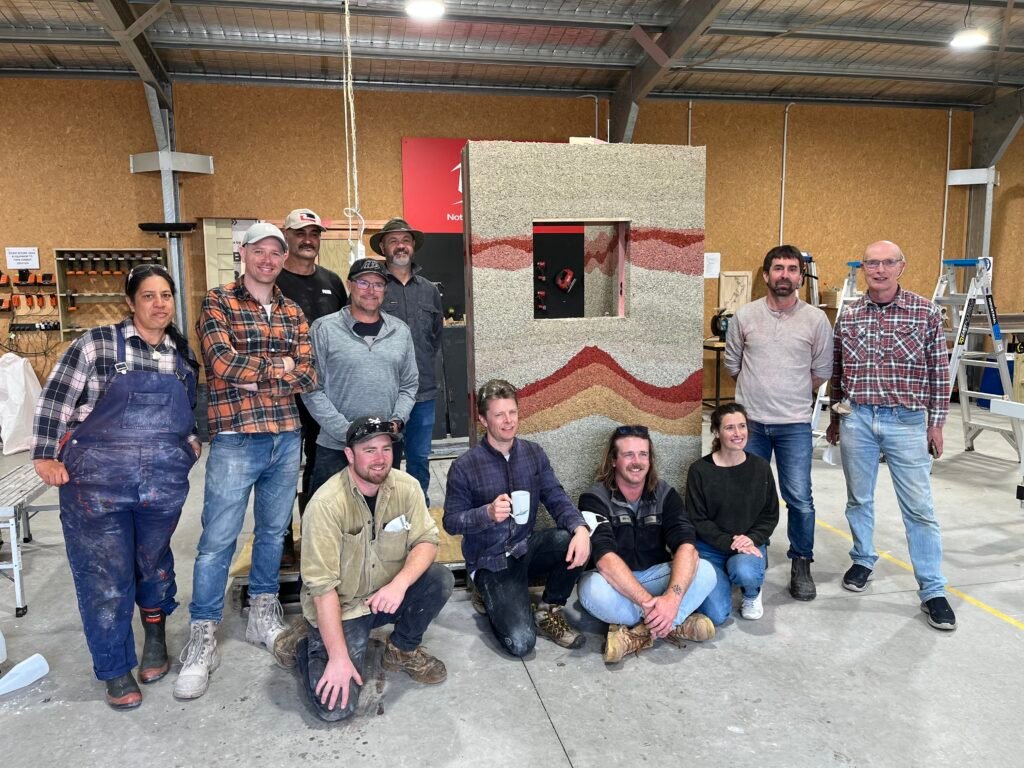
By Klara Marosszeky | Managing Director Australian Hemp Masonry Company Over the past few months, we’ve been working with Hemp Central in Wanaka on the South Island of New Zealand and Venture Taranaki on the North Island to deliver training for hemp builders, owner builders and community. It’s the second practical workshop organised by Tanya Simmonds in Wanaka in the past 2 years and the Taranaki workshops have been the culmination of months of conversations following various Hemp industry events in Australia over the last year and a half. We’d trained a few builders from New Zealand who’ve come over to Australia for workshops and supplied a few houses over there in the past, but at that time there was no suitable building-grade hurd available in New Zealand. That’s changed dramatically over the past few years. With farming becoming more regionalised, Ashford processors now in both locations and with more builders getting trained, a small solid hemp building industry is being established. Given our long-term interest in supporting capability in Indigenous communities, it’s been very rewarding to work alongside Venture Taranaki as they build the capacity in their community to address their social housing needs. Community members from other neighbouring Maori groups visited and attended the Taranaki workshops. We’ll continue to support their emerging trainers until they are well underway, and our input is no longer needed. “We have the same interest in building capability in Aboriginal communities and hope some similar opportunities emerge,” says Klara.
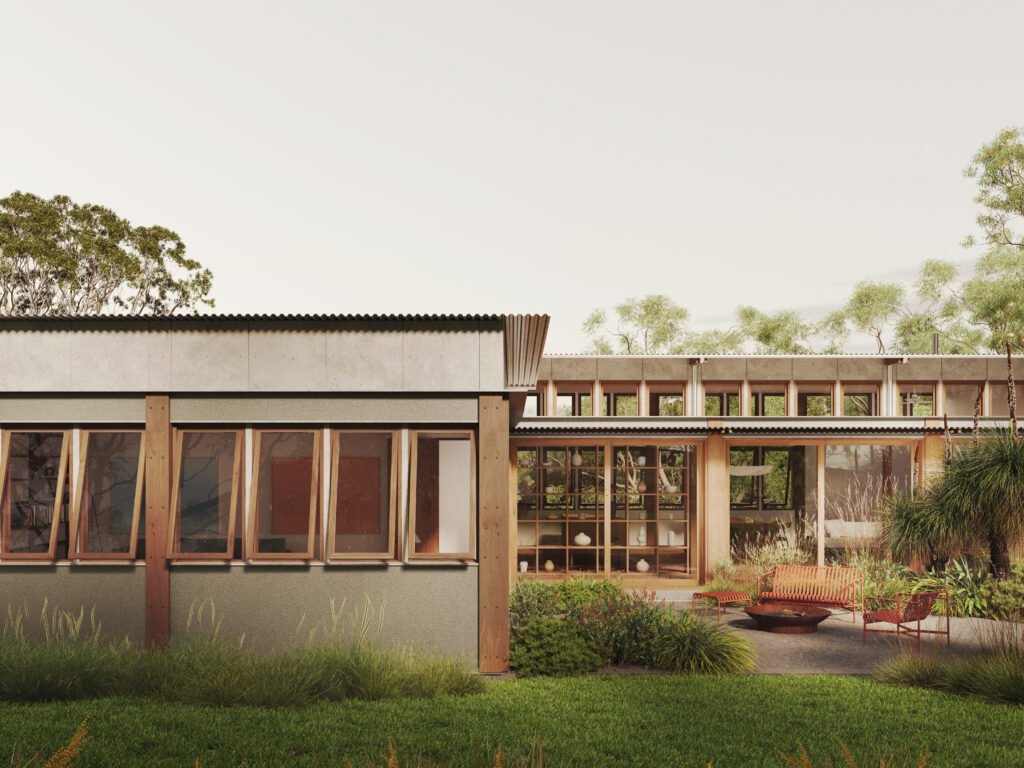
Northern Rivers, NSW — Innovative hemp construction company Otetto has successfully completed the installation of its Living Canvas prefabricated hempcrete panel system on a new home in the Northern Rivers region — with the entire structure assembled in just four days. The project features Otetto’s house design, the Mulloway, currently the company’s most adaptable and flexible model, designed to suit a wide range of sites, climates, and lifestyles. This milestone demonstrates how prefabricated hempcrete systems can dramatically accelerate build times while maintaining outstanding thermal, acoustic, and environmental performance. The Living Canvas panels were designed and manufactured off-site, then craned into place with precision — resulting in a clean, efficient, and low-impact construction process. “This build really shows what’s possible when innovation, sustainability, and good design come together,” said Harrison Marsh from Otetto. “To see a full home structure completed within four days using Australian-grown hemp materials is a big step forward for the industry.” The success of the project highlights the growing momentum behind industrial hemp as a practical, sustainable building material — one that supports regional industries, reduces carbon emissions, and promotes healthier living environments. For more information about Otetto’s Living Canvas system and the Mulloway design, visit otetto.au
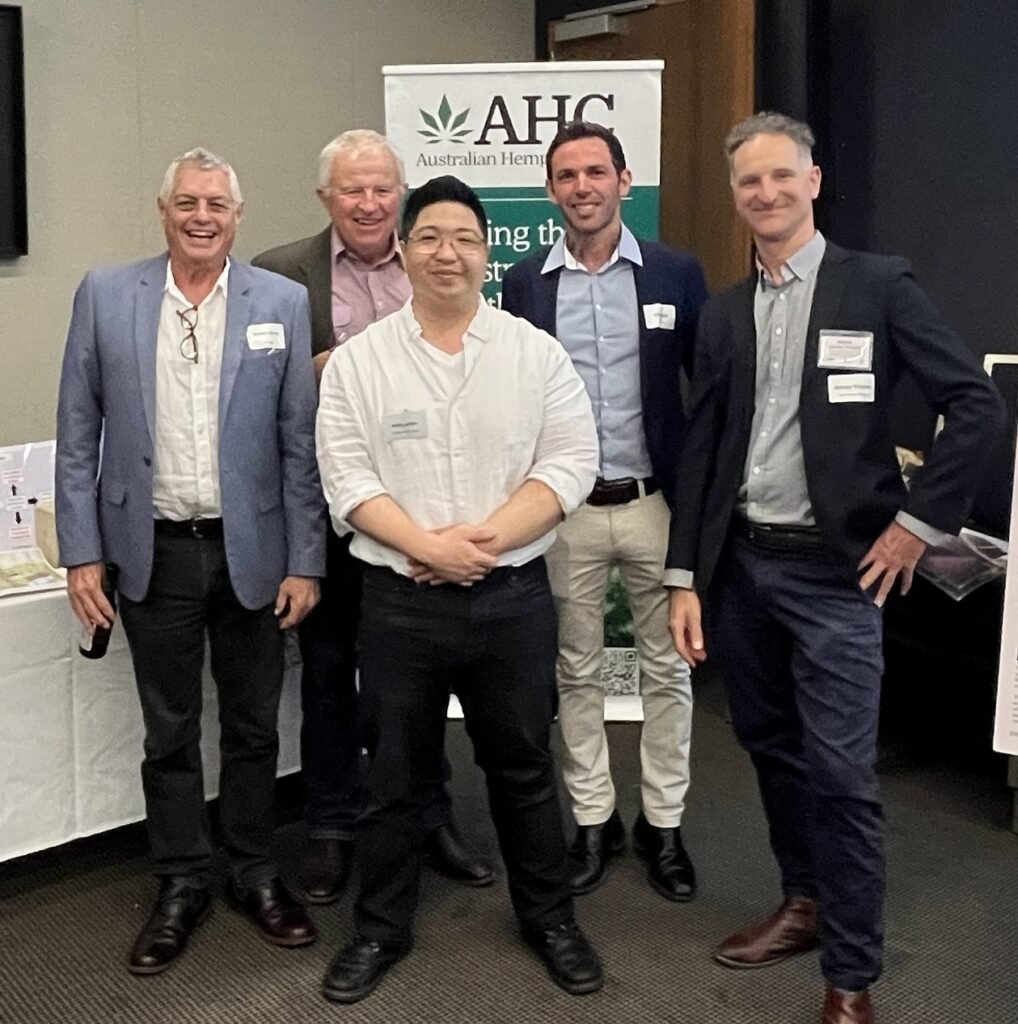
By Harrison Marsh | Otetto Mid-October, we were proud to attend the Sustainable Timber Solutions Parliamentary Showcase at Parliament House, hosted by the Parliamentary Friends of Forests, Forest Alliance NSW, and WWF-Australia. The evening brought together leaders from across the timber, construction, and sustainable materials industries to explore viable alternatives to native forest logging — a practice increasingly under scrutiny for its environmental and social impacts. It was a strong turnout, with industry professionals, policymakers, and innovators all engaging in meaningful discussions about the next chapter of timber in Australia. Opening remarks from Dermot O’Gorman, CEO of WWF-Australia, and Justin Field from Forest Alliance NSW set the tone for the night — highlighting the urgent need to protect our remaining native forests and accelerate the shift toward sustainable, regenerative materials. Displays from House of Bamboo, Hemp Inside, Bamboo Society Australia, Australian Hemp Council, iHempNSW, and BVN Architecture showcased how materials like hemp, bamboo, and engineered wood products are already reshaping what’s possible in the built environment. For us at Otetto, it was an excellent opportunity to connect with like-minded innovators and explore how these materials can work together to fill the gaps. Finding Balance, Not Replacements While hemp and bamboo offer impressive performance and sustainability credentials, they are not a like-for-like replacement for hardwoods — either in performance or aesthetics. Trying to directly replace native timber with these materials is a bit like trying to make vegetarian food look and taste exactly like meat. Each has its own unique strengths and characteristics, and part of the challenge is learning how to design and build in a way that embraces those differences rather than mimicking the past. Supporting Industry Transition Another key takeaway from the event was the recognition that the transition away from native forest logging is not just an environmental issue — it’s also a people issue. The emerging hemp and bamboo industries can play a vital role in providing new opportunities for workers and regional communities historically tied to forestry. These new industries can offer sustainable, locally grown alternatives while supporting a fair and considered transition for those affected by industry change. The Importance of Responsible Land Management If a ban on native forest logging goes ahead, it’s essential that the land is managed correctly. Protecting forests is only part of the equation — how that land is maintained will determine the long-term success of the policy. Poor management practices, particularly around fire mitigation, have historically caused more damage to native habitats than sustainable, selective forestry operations. As highlighted by many within the agricultural and environmental sectors, including land managers with decades of experience, government agencies have often struggled to properly maintain the land they already oversee. Without proactive management, the risk of catastrophic fire events increases — ultimately threatening the very ecosystems these policies are designed to protect. At Otetto, we recognise this is a complex and sensitive space. Sustainable forestry and conservation can coexist if managed correctly. Regeneration, selective harvesting, and habitat corridor planting can all form part of a balanced approach that supports both environmental and economic outcomes. It’s not about one side being right and the other wrong — it’s about finding common ground where biodiversity is protected, and communities and industries can continue to thrive sustainably. Education and Collaboration As these sectors continue to grow, education will be critical. Suppliers, specifiers, builders, and end users all need better access to knowledge and training on how to implement these materials effectively. Understanding how to design, engineer, and build with hemp and bamboo will be key to ensuring they take root in the mainstream construction landscape. The event also saw encouraging interest from attending politicians, signalling growing recognition at the policy level of the potential these materials hold. This kind of support will be essential to helping the industry mature and scale responsibly. Looking Ahead The realities of native forest logging — as highlighted in recent reports by WWF-Australia — show why finding alternatives is so important. But as we saw at Parliament House, the solutions are already taking shape. With collaboration, education, and open-minded design thinking, we can move toward a future where sustainable materials like hemp and bamboo play a major role in Australia’s construction story. At Otetto, we’re proud to be part of that conversation and look forward to continuing to work with partners across the industry to build better, cleaner, and smarter. Photos courtesy of Jeremy Thomas (Hemp Building Directory) and Colin Steddy (Hemp Inside).
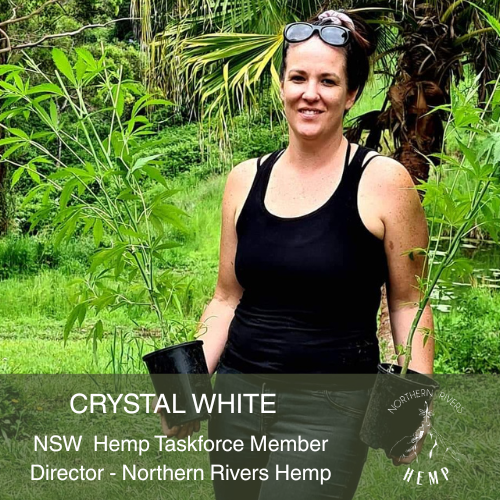
The NSW Hemp Industry Taskforce’s 2024 recommendations aimed to modernise and strengthen the state’s hemp sector by promoting innovation, flexibility, and clearer regulation for growers. However, after reviewing the Department of Primary Industries’ (DPI) updated hemp framework and Licence Manual released in September 2025, Taskforce member Crystal White, Director of Northern Rivers Hemp, found that many of these key recommendations have not been implemented. While the Taskforce proposed a more enabling and forward-thinking approach, the new framework continues to focus largely on compliance and enforcement. A clear example is the missed opportunity to introduce a licence category for environmental remediation. This reform would have recognised hemp’s ability to improve soil health, capture carbon, and support sustainable land rehabilitation. Despite its environmental and economic potential, the initiative was not included in the new framework. Crystal has since contacted Jeremy Buckingham MLC, who has shown ongoing support for hemp industry reform, and expects he will raise the matter with Minister for Agriculture Tara Moriarty for further consideration. The comparison report shows that many of the Taskforce’s practical, industry-driven reforms- such as flexibility for crop testing, streamlined licensing, and recognition of new hemp applications—remain unaddressed. “A more collaborative and forward-thinking approach is needed if we want to see the NSW hemp industry reach its full potential,” Crystal said.
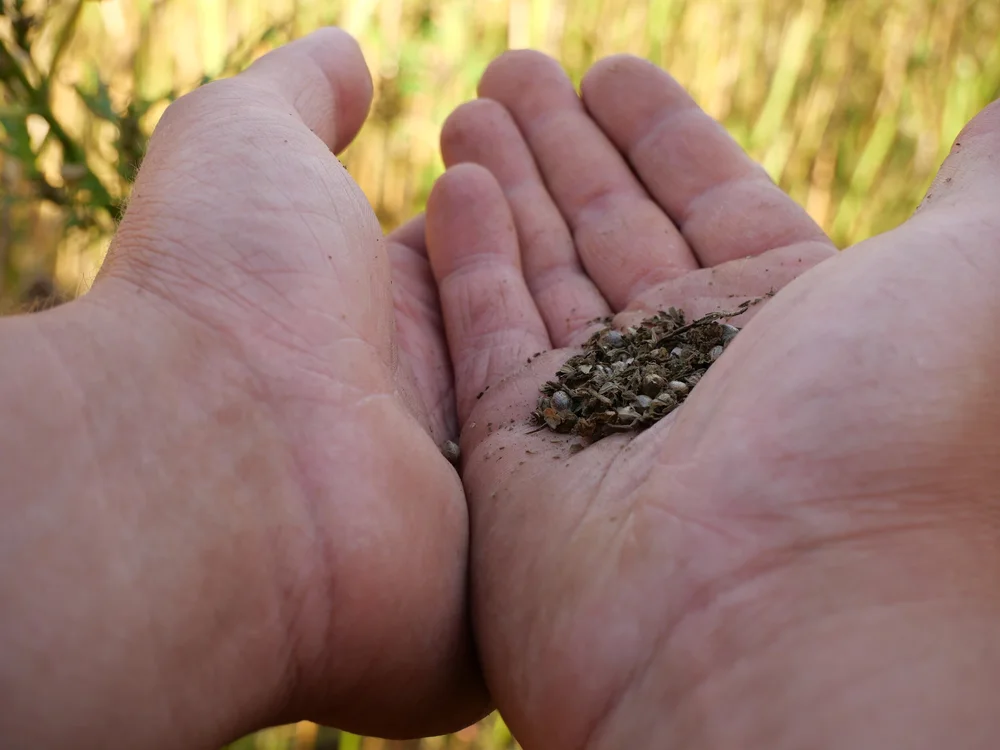
Industry Response to the Senate Inquiry: Opportunities for the Development of an Industrial Hemp Industry in Australia The response to Senator Richard Colbeck’s call for submissions to the Senate Standing Committees on Rural and Regional Affairs and Transport’s inquiry into the Opportunities for the Development of an Industrial Hemp Industry in Australia was both strong and diverse, with 64 submissions received from across the nation. Submissions came from farmers, processors, researchers, builders, health and wellness product manufacturers, advocacy groups, and government agencies, reflecting the depth and breadth of interest in unlocking hemp’s full potential for Australia. A number of consistent themes emerged across the submissions. Agronomic advantages Many highlighted the agronomic advantages of hemp as a sustainable, low-input crop that fits well into regenerative farming systems, supporting soil health, carbon sequestration, and water efficiency. There was a strong emphasis on regional economic development, with hemp positioned as a diversification opportunity for farmers and a driver of new jobs in processing and manufacturing. Regulatory reform Stakeholders also focused on the urgent need for regulatory reform, calling for the removal of industrial hemp from drug-related legislation and for national harmonisation of licensing, THC thresholds, and compliance systems. The inquiry revealed that fragmented regulations are among the largest barriers to growth, limiting investment and cross-border trade. Value-added manufacturing Submissions underscored the growing potential for value-added manufacturing, particularly in hemp-based building materials, textiles, bioplastics, food, and wellness products. The construction and materials sector featured prominently, with strong calls to fast-track building code recognition for hempcrete and fibre board, and to align with international standards to enable rapid scaling. Research and development investment A further theme was the need for increased research and development investment, particularly in seed genetics, agronomy, processing technology, and product innovation. Stakeholders called for coordinated national leadership and industry collaboration to link research institutions, growers, and manufacturers. In summary Overall, the submissions presented a unified message: industrial hemp represents a significant economic, environmental, and social opportunity for Australia, but its success depends on policy alignment, investment in infrastructure, and continued cross-sector collaboration. The level of engagement in this inquiry highlights a maturing, motivated, and solutions-focused industry ready to contribute to Australia’s low-carbon, circular, and regionally based future.